Please select your country below to view the products, information, and services available in your location, including news, promotions, events, and more.
en-usLUSR18ESHStem Cell ResearchStem Cell Research/webroot/web/html/lsr/solutions/applications/stem_cell_research/webroot/web/images/lsr/solutions/applications/stem_cells/stem_cell_research/application_detail/solutions_feature_sca1.jpg/webroot/web/images/lsr/solutions/applications/stem_cells/application_thumb/cat_sca1_stem_cell_icon.jpg<script type="text/javascript">// <![CDATA[
if ($.browser.msie && $.browser.version < 8) {$("div.methodboxmiddle ul.rightarrowsearch1").css({"margin-left":"-5px"});}
// ]]></script>
<p>Stem cells are cells that remain undifferentiated, maintain prolonged and sustained
proliferation in certain parts of the body, and have the potential to differentiate
into a variety of cell types. Stem cells have the potential to treat a variety of
diseases and are important in medical research and drug development.</p>
<p>This section provides an overview and history of stem cells, and compares the different
types of stem cells, such as embryonic stem (ESCs) cells, somatic stem cells, and
induced pluripotent stem cells (iPSCs).</p>
What Are Stem Cells?<p>Stem cells have two distinguishing characteristics: they have the potential to
self-renew, and they can be induced to differentiate into tissue-specific cell types
with specialized functions. Stem cells are involved in development, growth, and repair
in multicellular organisms.</p>
<p>In vivo, stem cell division can either result in two identical daughter cells,
or one of the cells can acquire more specialized functions. Depending on stem cell
type and location and local factors, any cell that acquires a more specialized function
after cell division may become a less potent stem cell or become a fully differentiated
cell.</p>
<p>Stem cells can go through cycles of cell division without differentiating while
retaining the ability to differentiate later. Stem cells are classified by their potency,
which is a measure of their ability to differentiate into other cell types. During
development of an organism, stem cells become more functionally specialized and thus
less potent. The classes of stem cells, ordered from most to least potent, are:</p>
<ul>
<li><strong>Pluripotent:</strong> the most potent stems cells are pluripotent. These
cells can give rise to all the cell types of the body. <a href="#3">Embryonic stem
cells</a> (ESC) are pluripotent. Somatic cells can be reprogrammed to become pluripotent
cells, and are known as <a href="#6">induced pluripotent stem cells</a> (iPSCs)</li>
<li><strong>Multipotent:</strong> cells that can develop into more than one cell type,
usually within same or related lineages</li>
<li><strong>Oligopotent:</strong> cells that can differentiate only into limited cell
types within the same lineage</li>
<li><strong>Unipotent:</strong> cells that have the potential for self-renewal but
can develop into only one cell type</li>
</ul>
<p>The term <strong>totipotent</strong> has been used to describe cells during the
first few divisions in the egg after fertilization. This term has generally fallen
out of use, partially due to confusion with the term pluripotent.</p>
<div class="top"><a href="#helptop">Back to Top</a></div>
Stem Cell Sources<p>The number of sources of stem cells found in animals is increasing. It is becoming
clear that there are stem cells in most, if not all, adult tissues, and that some
tissues have more than one type of stem cell. This brief overview covers only stem
cells that are widely studied or currently of potential clinical importance.</p>
<ul>
<li><a href="#3">Embryonic Stem Cells (ESCs)</a></li>
<li><a href="#4">Somatic (Adult) Stem Cells</a></li>
<li><a href="#5">Very Small Embryonic-Like Stem Cells (VSELs)</a></li>
<li><a href="#6">Induced Pluripotent Stem Cells (iPSCs)</a></li>
<li><a href="#7">Stem Cells from Cord Blood and Amniotic Fluid</a></li>
</ul>
<div class="top"><a href="#helptop">Back to Top</a></div>
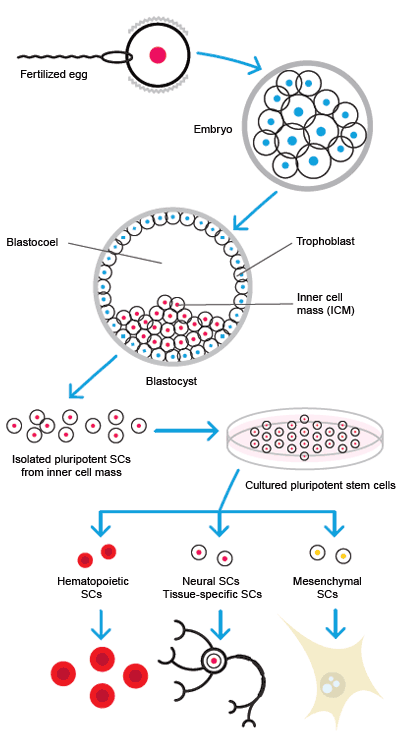
Embryonic Stem Cells (ESCs)<p>ESCs are pluripotent stem cells, having the ability to differentiate into any of
the three germ layers: ectoderm, endoderm, or mesoderm. Cells are usually harvested
from the inner cell mass of the blastocyst 4 to 5 days after in vitro fertilization
of an egg. The cells are cultured and expanded into cell lines. Though the potency
of ESCs makes them attractive for use in clinical therapy, there are both ethical
and technical problems with their use. The majority of ESCs used in research are murine.</p>
<p>One potential disadvantage of ESCs is that they can form teratomas, tumors containing
cell types from all three germ layers. Studies suggest that teratoma formation may
be a result of chromosomal changes that occur in some ESC cells during culture. As
length of time in culture and the number of passages increase, cells are more likely
to display chromosomal instability and mosaicism within the population. ESC cell lines
must be carefully monitored for changes in phenotype, gene expression, and karyotype
(see <a href="/en-us/applications-technologies/analysis-stem-cells">Stem Cell Analysis</a>
for details).</p>
<p>Generation of ESC lines can be difficult. Frequently, cells removed from the blastocyst
do not survive and divide in culture. Culturing and expanding ESCs requires strict
culture conditions to both prevent the stem cells differentiating and avoid contamination
(see the <a href="/en-us/applications-technologies/isolation-maintenance-stem-cells#1">ESC
section</a> of the <a href="/en-us/applications-technologies/isolation-maintenance-stem-cells">Stem
Cell Isolation and Maintenance</a> page).</p>
<p>The main advantage of ESCs is that they can differentiate into any cell type and
present a low risk of graft-versus-host disease (GVHD). Originally, it was thought
that there was no risk of GVHD, but some manipulations of ESC to drive them to differentiate
into particular cell types can make them immunogenic (Kim et al. 2012). It is postulated
that on differentiation, ESCs may start to express latent immunogenic surface proteins
that were preprogrammed for expression in normal development.</p>
<p><img src="/webroot/web/images/lsr/solutions/applications/stem_cells/stem_cell_research/application_detail/sca1_img1.gif"
alt="Stem cell differentiation." width="409" height="737" /></p>
<p class="caption"><strong>Stem cell differentiation.</strong></p>
<div class="top"><a href="#helptop">Back to Top</a></div>
Somatic (Adult) Stem Cells<p>For many years, the accepted dogma was that most adult tissues and organs contained
cells that were differentiated to the point that they could divide only a limited
number of times unless they were transformed into cancer cells. Now it is known that
somatic stem cells are found throughout the body.</p>
<p>The majority of somatic stem cells are considered multipotent, and their major
role is thought to be regeneration and repair of the tissue in which they reside.
Initially it was thought that multipotent somatic stem cells could generate cells
only within the same lineage. However, transdifferentiation has been demonstrated.
Culturing, with a defined combination of added factors, can reprogram some somatic
stem cells into different lineages. Whether transdifferentiation occurs in vivo is
still a matter of debate.</p>
<p>The two types of somatic stem cells that are the best characterized are hematopoietic
stem cells (HSCs) and mesenchymal stem cells (MSC – also called marrow stromal
cells). Not only are these cells readily available, but they can easily be <a href="/en-us/category/cell-counting">counted</a>,
analyzed by flow cytometry, and separated by <a href="/en-us/product/s3e-cell-sorter">cell
sorting</a>.</p>
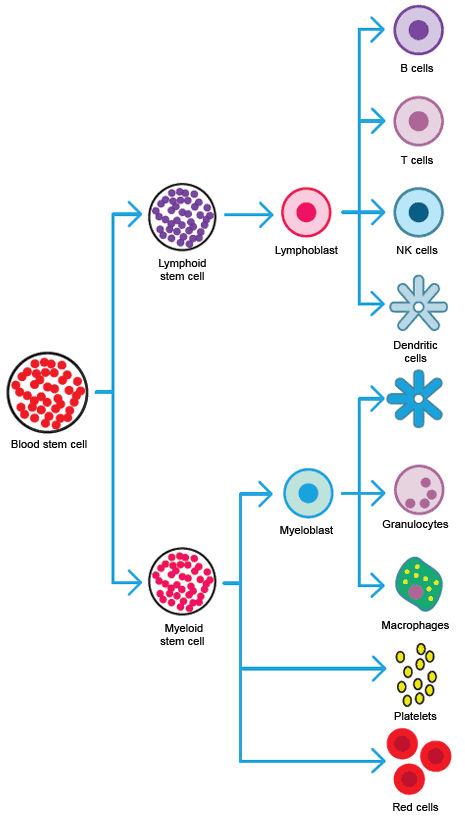
<p><strong><a name="hsc"></a>HSCs (hematopoietic stem cells)</strong>, located primarily
in the bone marrow and cord blood, give rise to the cells of the blood. HSCs are a
heterogeneous population and can differentiate into both myeloid and lymphoid lineages.
Their ability to repopulate bone marrow and blood has been used for many years for
bone marrow transplantation.</p>
<p><img src="/webroot/web/images/lsr/solutions/applications/stem_cells/stem_cell_research/application_detail/sca1_img2.gif"
alt="Hematopoietic cell differentiation." width="465" height="818" /></p>
<p class="caption"><strong>Hematopoietic cell differentiation.</strong></p>
<p><strong><a name="msc"></a>MSCs (mesenchymal stem cells)</strong> are non-hematopoietic
stem cells found in most tissues of the body. The largest populations are in bone
marrow and cord blood, with Wharton’s jelly, found in the umbilical cord, being
a rich source. MSCs are heterogeneous, have multilineage potential, and are capable
of differentiating into multiple cell types including adipocytes, chondrocytes, osteoblasts,
and cardiomyocytes.</p>
<p>MSCs are the most commonly used cell type in clinical trials for stem cell therapy.
Advantages of MSCs include:</p>
<ul>
<li>Can be harvested from several tissues including adipose</li>
<li>Multilineage potential</li>
<li>Subpopulations easily isolated by <a href="/en-us/product/s3e-cell-sorter">cell
sorting</a><a href="/en-us/category/flow-cytometry"></a></li>
<li>Can be given intravenously, which is minimally invasive and allows multiple doses,
although there can be first-pass effects and sequestration in the lungs</li>
<li>Can attenuate inflammatory responses</li>
<li>Secrete many bioactive molecules such as growth factors and cytokines (including
angiogenic cytokines)</li>
<li>Allogeneic (non-self) transplantation usually evokes a minimal immune response</li>
<li>May activate local stem cells and repair mechanisms</li>
</ul>
<p>Several formulations derived from MSCs are being developed for therapeutics. The
immune regulatory properties of MSCs give them potential for use in the treatment
of GVHD. MSC-derived treatments are now being used for pediatric GVHD and in trials
for adult GVHD. Trials are also under way for the treatment of a number of conditions
including Crohn’s disease, multiple sclerosis, and the destruction of pancreatic
islet cells in type 1 diabetes.</p>
<div class="top"><a href="#helptop">Back to Top</a></div>
Very Small Embryonic-Like Stem Cells (VSELs)<p>These stem cells were first identified in bone marrow (Kucia et al. 2005, 2006)
and have since been found in many tissues. These <strong>somatic stem cells</strong>
have similar characteristics to ESCs and are able to differentiate into all three
germ layers. Because VSELs are pluripotent but do not present any ethical issues,
they may provide an effective tool for many regenerative therapies. VSELs can be separated
(CD45-/Lin-/Sca-1-) from other bone marrow cells by <a href="/en-us/product/s3e-cell-sorter">cell
sorting</a><a href="/en-us/category/flow-cytometry"></a>. It is not clear whether
teratomas will be a concern for VSELs, as they are for ESCs. Since VSELs can be obtained
from a patient for autologous treatments, there are no immunocompatibility concerns.</p>
<div class="top"><a href="#helptop">Back to Top</a></div>
Induced Pluripotent Stem Cells (iPSCs)<p>iPSCs are somatic cells that have been reprogrammed to become ESC-like. Therefore,
iPSCs are pluripotent and can give rise to any germ line. To generate iPSCs, cells
are forced to express genes for transcription factors that are required for pluripotency
and self-renewal.</p>
<p>As with VSELs, the development of iPSCs for therapeutics has the advantage that
they can potentially be used for autologous transplantation and so immunocompatibility
is not a problem, because the cells to be reprogrammed can be obtained from the patient.</p>
<a href="/en-us/applications-technologies/isolation-maintenance-stem-cells#4"></a>
<p>iPSCs were first generated by introducing the transcription factors Oct3/4, Sox2,
Klf4, and c-Myc into cells maintained in the same culture conditions used for ESC
(Takahashi and Yamanaka, 2006). Most iPSC cell lines have been generated using viral
transduction by retroviruses or lentiviruses. (For more information, see the iPSC
section in <a href="/en-us/applications-technologies/isolation-maintenance-stem-cells">Isolation
and Maintenance of Stem Cells</a>).</p>
<p>In some iPSC lines, there is incomplete silencing of integrated viral genes upon
differentiation, which increases the risk of tumor development. When iPSCs are injected
into immune-deficient mice, they readily form teratomas. It has been suggested that
iPSCs are more tumorigenic than ESCs (Gutierrez-Aranda et al. 2010). Additionally,
as with ESCs, adaptation to culture and passaging increases the likelihood of development
of mosaic populations and chromosomal abnormalities.</p>
<p>Although iPSCs potentially have many advantages for in vivo stem cell treatments,
there are still a number of technical hurdles to overcome. For instance, one consideration
for iPSCs is epigenetic memory. During development, patterns of <a href="/en-us/applications-technologies/epigenetics-analysis">methylation
of genomic DNA</a> change. There is evidence that reprogramming of somatic cells may
not reverse all changes in methylation that occurred during differentiation and maturation.
This can mean that some iPSCs are not truly pluripotent, since they retain lineage
or tissue specificity. However, this could potentially be exploited in regenerative
therapy, by using iPSCs generated from cells in the same lineage as the target cell
type.</p>
<p>One area where iPSCs are proving very valuable is for models of development, tissue
differentiation, and disease. Most research on diseases relies on animal models, which
may, or may not, accurately mimic a disease. The ability to be able to generate cultures
of human or animal iPSC cultures provides new ways to follow cell differentiation
and the direction of changes in cellular and molecular mechanisms in normal tissues
and in disease progression. The availability of populations of cells with defined
genotypes and phenotypes offers cheaper, better, and more targeted drug development
and preclinical testing (see <a href="/en-us/applications-technologies/stem-cells-therapeutics-research#7">Stem
Cells as Models</a> on the <a href="/en-us/applications-technologies/stem-cells-therapeutics-research">Stem
Cells in Therapeutics and Research</a> page).</p>
<p><img src="/webroot/web/images/lsr/solutions/applications/stem_cells/stem_cell_research/application_detail/sca1_img3.jpg"
alt="" width="560" height="416" /></p>
<p class="caption"><strong>Chimeric mice produced by injection of MEF iPS cells into
heterologous blastocysts.</strong> Image courtesy of Dr. Miguel Esteban, Stem Cell
and Cancer Biology Group, Key Laboratory of Regenerative Biology, South China Institute
for Stem Cell Biology and Regenerative Medicine, Guangzhou Institutes of Biomedicine
and Health, Chinese Academy of Sciences, Guangzhou 510663, China. (MEF, mouse embryonic
fibroblasts.)</p>
<p><strong> Somatic Cell Nuclear Transfer (SCNT)</strong> is the transfer of a somatic
nucleus to an enucleated egg (i.e. an isolated nucleus from a differentiated cell
inserted into an egg without a nucleus). This technique was used to make Dolly the
sheep (Wilmut et al. 1997). The somatic nucleus is reprogrammed by the egg to become
pluripotent. These cells are effectively iPSCs and can be used to generate cell lines.
Though this technique has been used in animal stem cell research for many years, thought
only recently has human SCNT been reported (Tachibana et al. 2013).</p>
<div class="top"><a href="#helptop">Back to Top</a></div>
Stem Cells from Cord Blood and Amniotic Fluid<p><a name="hsc"></a>Cord blood and amniotic fluid contain several different types
of stem cells, with the predominant cell type being HSC. The various cell types have
different potencies, ranging from ESC-like cells to multipotent stem cells.</p>
<p>Cord blood (and placental blood) has several benefits for clinical therapy. The
tissue source is freely and widely available, with no extra risk to the donor and
no ethical issues. In contrast, amniotic fluid is captured by amniocentesis, so there
is a small chance of harm to the fetus. For these stem cell sources, there is a low
risk of GVHD, most likely due the stem cells being immunologically immature.</p>
<p>Banking of cord blood can provide future stem cells for treatment of the donor
later in life. These stem cells would have few of the problems of allogeneic stem
cells, such as immune incompatibility or the risk of communicable disease transmission.
There have been several clinical trials approved for the therapeutic use of cord blood,
including the treatment of pediatric stroke and cerebral palsy.</p>
<p>Cord blood contains a large number of stem cells; therefore, substantial numbers
of cells can be easily obtained without many passages. This has three advantages:
first, the decreased time in culture and number of cell divisions reduces the potential
for chromosomal changes; second, cord blood stem cells, although they can give rise
to all three germ layers, do not seem to be tumorigenic; third, the ability to rapidly
generate large numbers of cells affords the use of high numbers of cells in therapies,
which may increase efficacy and reduce the waiting time for treatment.</p>
<div class="top"><a href="#helptop">Back to Top</a></div>
Cancer Stem Cells?<p>In 1997, it was hypothesized that any cancer tissue may contain a small fraction
of cancer stem cells (Bonnet and Dick 1997). The theory is that there is a population
of cancer stems cells that are quiescent, or dividing slowly, until triggered. This
theory remains controversial, although it has been gaining acceptance. If proven,
this hypothesis may be important in the treatment of cancer because many cancer therapies
target rapidly proliferating cells. Stem cells, at G0 phase or slowly dividing may
be minimally targeted rather than eradicated, potentially forming a reservoir for
future tumor development.</p>
<div class="top"><a href="#helptop">Back to Top</a></div>
Stem Cells in Plants<p>Plants, like animals, need a renewable source of cells for the growth and repair
of the different tissue types. During their lives, plants can undergo substantial
damage and regenerate, for example, regrowth after being partially eaten, pruned,
or burned.</p>
<p>In plants, stem cells are found primarily at the meristems, the areas where new
growth takes place. The apical meristems are at the tips of the shoots and roots,
where the majority of growth takes place. Stem cells are also present in lateral (procambium)
and intercalary meristems.</p>
<p>A plant callus is a mass of undifferentiated cells, derived from previously differentiated
plant cells, that have the characteristics of stem cells and are thus able to give
rise to all plant tissue types. Calli occur naturally on plant wound sites, and callus
formation can be induced in vitro from certain somatic plant tissues by plating on
tissue culture media with supplements such as nutrients and plant growth regulators.
However, a callus contains a heterogeneous population of cells, and pluripotency can
be hard to maintain for extended periods.</p>
<div class="top"><a href="#helptop">Back to Top</a></div>
Conclusion<p>The discovery of stem cells and the subsequent finding that there are stem cells
in most, if not all, tissues has increased our understanding of the biology of tissues
and organisms. Study of stem cells in situ and in culture is providing new insights
into development, cell biology, and molecular processes. In addition, stem cells have
a huge potential for the treatment of many diseases as well as use in regenerative
medicine.</p>
<div class="top"><a href="#helptop">Back to Top</a></div>
References<p>Bonnet D and Dick JE (1997). Human acute myeloid leukemia is organized as a hierarchy
that originates from a primitive hematopoietic cell. Nat Med 3, 730–737. PMID:
<a href="http://www.ncbi.nlm.nih.gov/pubmed/9212098" target="_blank" rel="noopener
noreferrer">9212098</a></p>
<p>Gutierrez-Aranda I et al. (2010). Human induced pluripotent stem cells develop
teratoma more efficiently and faster than human embryonic stem cells regardless the
site of injection. Stem Cells 28, 1568–1570. PMID: <a href="http://www.ncbi.nlm.nih.gov/pubmed/20641038"
target="_blank" rel="noopener noreferrer">20641038</a></p>
<p>Kim EM et al. (2012). Embryonic stem cell-derived T cells induce lethal graft-versus-host
disease and reject allogenic skin grafts upon thymic selection. Am J Transplant 12,
600–609. PMID: <a href="http://www.ncbi.nlm.nih.gov/pubmed/22070732" target="_blank"
rel="noopener noreferrer">22070732</a></p>
<p>Kucia M et al. (2005). Bone marrow as a home of heterogenous populations of nonhematopoietic
stem cells. Leukemia 19, 1118–1127. PMID: <a href="http://www.ncbi.nlm.nih.gov/pubmed/15902288"
target="_blank" rel="noopener noreferrer">15902288</a></p>
<p>Kucia M et al. (2006). A population of very small embryonic-like (VSEL) CXCR4(+)SSEA-1(+)Oct-4+
stem cells identified in adult bone marrow. Leukemia 20, 857–869. PMID: <a href="http://www.ncbi.nlm.nih.gov/pubmed/16498386"
target="_blank" rel="noopener noreferrer">16498386</a></p>
<p>Tachibana M et al. (2013). Human embryonic stem cells derived by somatic nuclear
transfer. Cell 153, 1228–1238. PMID: <a href="http://www.ncbi.nlm.nih.gov/pubmed/23683578"
target="_blank" rel="noopener noreferrer">23683578</a></p>
<p>Takahashi K and Yamanaka S (2006). Induction of pluripotent stem cells from mouse
embryonic and adult fibroblast cultures by defined factors. Cell 126, 663–76.
PMID: <a href="http://www.ncbi.nlm.nih.gov/pubmed/16904174" target="_blank" rel="noopener
noreferrer">16904174</a></p>
<p>Wilmut I et al. (1997). Viable offspring derived from fetal and adult mammalian
cells. Nature 385, 810–813. PMID: <a href="http://www.ncbi.nlm.nih.gov/pubmed/9039911"
target="_blank" rel="noopener noreferrer">9039911</a></p>
<div class="top"><a href="#helptop">Back to Top</a></div>
<p> </p>
5924/templatedata/internet/documentation/data/LSR/Literature/5924.xmlStem Cell Basics for Life Science Researchers Brochure, Rev A5924H/webroot/web/pdf/lsr/literature/Bulletin_5924A.pdfLiteraturePDFBrochures_and_Specifications/webroot/web/images/icon_pdf.gifNoStem Cell Basics for Life Science Researchers Brochure, Rev A5924Bulletin 5924, embryonic differentiation, embryo, isolated pluripotent sc, development,
multipotent, unipotent, terminally differentiated, blastocyst, mass of inner cells,
ICM, es, history, hes, mes, human, mouse, lines, adult, somatic, imprinting, chimeric,
programming, reprogramming, ips, isolation and maintenance, growth factors, media,
medium, tissue culture, fibroblast, fibroblasts, feeder layer, hematopoietic, induced,
ectoderm, mesoderm, endoderm, transfection, knock down, RNAi, viral-mediated delivery,
lipid-mediated, electroporation, biolistic particle, retrovirus, genomic analysis,
proteomic, expression, phenotype, karotyping, SNPs, SNP, PCR, microarray, profiling,
profile, qPCR, array, flow cytometry, immunocytochemistry, RT-PCR, RT-qPCR, western
blotting, Bio-Plex suspension array system, sso7d fusion protein technology, 170-8891,
170-8893, 170-8895, 170-8899, 172-5203, 170-8885, 172-5213, 172-5103, 172-5853, 172-5233,
170-8864, 172-5849, 172-5253, 172-5243, 172-5108, 172-5857, 165-2661, 165-2670, 165-2674,
165-2677, 165-2681, 165-2081, 165-2082, 165-2086, 165-2088, 165-2091, 165-2092, 170-8201,
170-8351, 170-8202, 170-8352, 170-8206, 170-8353, 170-8203, 170-8354, 170-8204, 170-8205,
170-8200, 1708891, 1708893, 1708895, 1708899, 1725203, 1708885, 1725213, 1725103,
1725853, 1725233, 1708864, 1725849, 1725253, 1725243, 1725108, 1725857, 1652661,
1652670, 1652674, 1652677, 1652681, 1652081, 1652082, 1652086, 1652088, 1652091, 1652092,
1708201, 1708351, 1708202, 1708352, 1708206, 1708353, 1708203, 1708354, 1708204,
1708205, 1708200
M10747/iwmnt/default/main/bio-rad/www/WORKAREA/Production/templatedata/internet/documentation/data//LSR/LiteratureZ10714/iwmnt/default/main/bio-rad/www/WORKAREA/Production/templatedata/internet/documentation/data//LSR/LiteratureZ10716/iwmnt/default/main/bio-rad/www/WORKAREA/Production/templatedata/internet/documentation/data//LSR/LiteratureKaren Moss.Stem Cell Research<p>Tips for isolation, maintenance, differentiation, transfection and analysis of
stem cells.</p>
12/27/11 09:53 AM12/27/21 10:18 AMAE,AI,AL,AM,AR,AT,AU,AZ,BA,BD,BE,BF,BG,BH,BN,BO,BR,BW,CA,CH,CL,CM,CN,CO,CR,CY,CZ,DE,DK,DO,DZ,EC,EE,EG,EH,ER,ES,ET,FI,FM,FO,FR,GA,GE,GF,GH,GP,GR,GT,GU,HK,HN,HR,HT,HU,ID,IE,IL,IN,IS,IT,JM,JO,JP,KE,KH,KR,KW,KZ,LB,LI,LK,LT,LU,LV,MA,MD,MG,MK,ML,MO,MQ,MS,MT,MU,MX,MY,NG,NI,NL,NO,NP,NZ,OM,PA,PE,PF,PG,PH,PK,PL,PR,PS,PT,PW,PY,QA,RO,RS,RU,SA,SB,SE,SG,SI,SK,SN,ST,SV,TG,TH,TN,TO,TR,TT,TW,TZ,UA,UG,UK,US,UY,UZ,VA,VE,VU,XK,YE,ZA,VNenLSR/LSR/Applications/Stem_Cell_ResearchN0Isolation and Maintenance of Stem Cells
/en-us/applications-technologies/applications-technologies/isolation-maintenance-stem-cells?ID=LUSR1TC4S
Differentiation of Stem Cells
/en-us/applications-technologies/applications-technologies/differentiation-stem-cells?ID=LUSR2L8UU
Transfection and Transduction of Stem Cells
/en-us/applications-technologies/applications-technologies/transfection-transduction-stem-cells?ID=LUSR3BMNI
Analysis of Stem Cells
/en-us/applications-technologies/applications-technologies/analysis-stem-cells?ID=LUSR41KSY
Stem Cells in Therapeutics and Research
/en-us/applications-technologies/applications-technologies/stem-cells-therapeutics-research?ID=ND1HZL15
Applications
/en-us/applications-technologies/applications-technologies/stem-cell-research?ID=LO8ESC15
LUSR18ESH[referer] = [https://www.bio-rad.com/en-us/product/zoe-fluorescent-cell-imager?ID=N74CIZE8Z]
[x-forwarded-proto] = [https]
[x-forwarded-port] = [443]
[x-forwarded-for] = [130.211.197.25, 10.232.2.70]
[accept] = [text/html,application/xhtml+xml,application/xml;q=0.9,*/*;q=0.8]
[seourl] = [/en-us/applications-technologies/cell-counting-methods]
[x-amzn-trace-id] = [Root=1-5d8f1134-bc41af35c9c990718b197808]
[x-forwarded-server] = [lsds-prod-s.br.aws-livesite.io]
[x-forwarded-host] = [www.bio-rad.com]
[x-query-string] = [ID=LUSR18ESH]
[host] = [10.232.0.21:1776]
[x-request-uri] = [/en-us/applications-technologies/cell-counting-methods]
[connection] = [Keep-Alive]
[user-agent] = [Mozilla/5.0 (compatible; heritrix/3.3.0-SNAPSHOT-20150302-2206 +http://127.0.0.1)]
AppTech/AppTechDetailspageStyleKeyinternet/solutions_subapplications-technologies/cell-counting-methodsLSRLUSR18ESHStem Cell ResearchStem Cell Research/webroot/web/html/lsr/solutions/applications/stem_cell_research/webroot/web/images/lsr/solutions/applications/stem_cells/stem_cell_research/application_detail/solutions_feature_sca1.jpg/webroot/web/images/lsr/solutions/applications/stem_cells/application_thumb/cat_sca1_stem_cell_icon.jpg<script type="text/javascript">// <![CDATA[
if ($.browser.msie && $.browser.version < 8) {$("div.methodboxmiddle ul.rightarrowsearch1").css({"margin-left":"-5px"});}
// ]]></script>
<p>Stem cells are cells that remain undifferentiated, maintain prolonged and sustained
proliferation in certain parts of the body, and have the potential to differentiate
into a variety of cell types. Stem cells have the potential to treat a variety of
diseases and are important in medical research and drug development.</p>
<p>This section provides an overview and history of stem cells, and compares the different
types of stem cells, such as embryonic stem (ESCs) cells, somatic stem cells, and
induced pluripotent stem cells (iPSCs).</p>
What Are Stem Cells?<p>Stem cells have two distinguishing characteristics: they have the potential to
self-renew, and they can be induced to differentiate into tissue-specific cell types
with specialized functions. Stem cells are involved in development, growth, and repair
in multicellular organisms.</p>
<p>In vivo, stem cell division can either result in two identical daughter cells,
or one of the cells can acquire more specialized functions. Depending on stem cell
type and location and local factors, any cell that acquires a more specialized function
after cell division may become a less potent stem cell or become a fully differentiated
cell.</p>
<p>Stem cells can go through cycles of cell division without differentiating while
retaining the ability to differentiate later. Stem cells are classified by their potency,
which is a measure of their ability to differentiate into other cell types. During
development of an organism, stem cells become more functionally specialized and thus
less potent. The classes of stem cells, ordered from most to least potent, are:</p>
<ul>
<li><strong>Pluripotent:</strong> the most potent stems cells are pluripotent. These
cells can give rise to all the cell types of the body. <a href="#3">Embryonic stem
cells</a> (ESC) are pluripotent. Somatic cells can be reprogrammed to become pluripotent
cells, and are known as <a href="#6">induced pluripotent stem cells</a> (iPSCs)</li>
<li><strong>Multipotent:</strong> cells that can develop into more than one cell type,
usually within same or related lineages</li>
<li><strong>Oligopotent:</strong> cells that can differentiate only into limited cell
types within the same lineage</li>
<li><strong>Unipotent:</strong> cells that have the potential for self-renewal but
can develop into only one cell type</li>
</ul>
<p>The term <strong>totipotent</strong> has been used to describe cells during the
first few divisions in the egg after fertilization. This term has generally fallen
out of use, partially due to confusion with the term pluripotent.</p>
<div class="top"><a href="#helptop">Back to Top</a></div>
Stem Cell Sources<p>The number of sources of stem cells found in animals is increasing. It is becoming
clear that there are stem cells in most, if not all, adult tissues, and that some
tissues have more than one type of stem cell. This brief overview covers only stem
cells that are widely studied or currently of potential clinical importance.</p>
<ul>
<li><a href="#3">Embryonic Stem Cells (ESCs)</a></li>
<li><a href="#4">Somatic (Adult) Stem Cells</a></li>
<li><a href="#5">Very Small Embryonic-Like Stem Cells (VSELs)</a></li>
<li><a href="#6">Induced Pluripotent Stem Cells (iPSCs)</a></li>
<li><a href="#7">Stem Cells from Cord Blood and Amniotic Fluid</a></li>
</ul>
<div class="top"><a href="#helptop">Back to Top</a></div>
Embryonic Stem Cells (ESCs)<p>ESCs are pluripotent stem cells, having the ability to differentiate into any of
the three germ layers: ectoderm, endoderm, or mesoderm. Cells are usually harvested
from the inner cell mass of the blastocyst 4 to 5 days after in vitro fertilization
of an egg. The cells are cultured and expanded into cell lines. Though the potency
of ESCs makes them attractive for use in clinical therapy, there are both ethical
and technical problems with their use. The majority of ESCs used in research are murine.</p>
<p>One potential disadvantage of ESCs is that they can form teratomas, tumors containing
cell types from all three germ layers. Studies suggest that teratoma formation may
be a result of chromosomal changes that occur in some ESC cells during culture. As
length of time in culture and the number of passages increase, cells are more likely
to display chromosomal instability and mosaicism within the population. ESC cell lines
must be carefully monitored for changes in phenotype, gene expression, and karyotype
(see <a href="/en-us/applications-technologies/analysis-stem-cells">Stem Cell Analysis</a>
for details).</p>
<p>Generation of ESC lines can be difficult. Frequently, cells removed from the blastocyst
do not survive and divide in culture. Culturing and expanding ESCs requires strict
culture conditions to both prevent the stem cells differentiating and avoid contamination
(see the <a href="/en-us/applications-technologies/isolation-maintenance-stem-cells#1">ESC
section</a> of the <a href="/en-us/applications-technologies/isolation-maintenance-stem-cells">Stem
Cell Isolation and Maintenance</a> page).</p>
<p>The main advantage of ESCs is that they can differentiate into any cell type and
present a low risk of graft-versus-host disease (GVHD). Originally, it was thought
that there was no risk of GVHD, but some manipulations of ESC to drive them to differentiate
into particular cell types can make them immunogenic (Kim et al. 2012). It is postulated
that on differentiation, ESCs may start to express latent immunogenic surface proteins
that were preprogrammed for expression in normal development.</p>
<p><img src="/webroot/web/images/lsr/solutions/applications/stem_cells/stem_cell_research/application_detail/sca1_img1.gif"
alt="Stem cell differentiation." width="409" height="737" /></p>
<p class="caption"><strong>Stem cell differentiation.</strong></p>
<div class="top"><a href="#helptop">Back to Top</a></div>
Somatic (Adult) Stem Cells<p>For many years, the accepted dogma was that most adult tissues and organs contained
cells that were differentiated to the point that they could divide only a limited
number of times unless they were transformed into cancer cells. Now it is known that
somatic stem cells are found throughout the body.</p>
<p>The majority of somatic stem cells are considered multipotent, and their major
role is thought to be regeneration and repair of the tissue in which they reside.
Initially it was thought that multipotent somatic stem cells could generate cells
only within the same lineage. However, transdifferentiation has been demonstrated.
Culturing, with a defined combination of added factors, can reprogram some somatic
stem cells into different lineages. Whether transdifferentiation occurs in vivo is
still a matter of debate.</p>
<p>The two types of somatic stem cells that are the best characterized are hematopoietic
stem cells (HSCs) and mesenchymal stem cells (MSC – also called marrow stromal
cells). Not only are these cells readily available, but they can easily be <a href="/en-us/category/cell-counting">counted</a>,
analyzed by flow cytometry, and separated by <a href="/en-us/product/s3e-cell-sorter">cell
sorting</a>.</p>
<p><strong><a name="hsc"></a>HSCs (hematopoietic stem cells)</strong>, located primarily
in the bone marrow and cord blood, give rise to the cells of the blood. HSCs are a
heterogeneous population and can differentiate into both myeloid and lymphoid lineages.
Their ability to repopulate bone marrow and blood has been used for many years for
bone marrow transplantation.</p>
<p><img src="/webroot/web/images/lsr/solutions/applications/stem_cells/stem_cell_research/application_detail/sca1_img2.gif"
alt="Hematopoietic cell differentiation." width="465" height="818" /></p>
<p class="caption"><strong>Hematopoietic cell differentiation.</strong></p>
<p><strong><a name="msc"></a>MSCs (mesenchymal stem cells)</strong> are non-hematopoietic
stem cells found in most tissues of the body. The largest populations are in bone
marrow and cord blood, with Wharton’s jelly, found in the umbilical cord, being
a rich source. MSCs are heterogeneous, have multilineage potential, and are capable
of differentiating into multiple cell types including adipocytes, chondrocytes, osteoblasts,
and cardiomyocytes.</p>
<p>MSCs are the most commonly used cell type in clinical trials for stem cell therapy.
Advantages of MSCs include:</p>
<ul>
<li>Can be harvested from several tissues including adipose</li>
<li>Multilineage potential</li>
<li>Subpopulations easily isolated by <a href="/en-us/product/s3e-cell-sorter">cell
sorting</a><a href="/en-us/category/flow-cytometry"></a></li>
<li>Can be given intravenously, which is minimally invasive and allows multiple doses,
although there can be first-pass effects and sequestration in the lungs</li>
<li>Can attenuate inflammatory responses</li>
<li>Secrete many bioactive molecules such as growth factors and cytokines (including
angiogenic cytokines)</li>
<li>Allogeneic (non-self) transplantation usually evokes a minimal immune response</li>
<li>May activate local stem cells and repair mechanisms</li>
</ul>
<p>Several formulations derived from MSCs are being developed for therapeutics. The
immune regulatory properties of MSCs give them potential for use in the treatment
of GVHD. MSC-derived treatments are now being used for pediatric GVHD and in trials
for adult GVHD. Trials are also under way for the treatment of a number of conditions
including Crohn’s disease, multiple sclerosis, and the destruction of pancreatic
islet cells in type 1 diabetes.</p>
<div class="top"><a href="#helptop">Back to Top</a></div>
Very Small Embryonic-Like Stem Cells (VSELs)<p>These stem cells were first identified in bone marrow (Kucia et al. 2005, 2006)
and have since been found in many tissues. These <strong>somatic stem cells</strong>
have similar characteristics to ESCs and are able to differentiate into all three
germ layers. Because VSELs are pluripotent but do not present any ethical issues,
they may provide an effective tool for many regenerative therapies. VSELs can be separated
(CD45-/Lin-/Sca-1-) from other bone marrow cells by <a href="/en-us/product/s3e-cell-sorter">cell
sorting</a><a href="/en-us/category/flow-cytometry"></a>. It is not clear whether
teratomas will be a concern for VSELs, as they are for ESCs. Since VSELs can be obtained
from a patient for autologous treatments, there are no immunocompatibility concerns.</p>
<div class="top"><a href="#helptop">Back to Top</a></div>
Induced Pluripotent Stem Cells (iPSCs)<p>iPSCs are somatic cells that have been reprogrammed to become ESC-like. Therefore,
iPSCs are pluripotent and can give rise to any germ line. To generate iPSCs, cells
are forced to express genes for transcription factors that are required for pluripotency
and self-renewal.</p>
<p>As with VSELs, the development of iPSCs for therapeutics has the advantage that
they can potentially be used for autologous transplantation and so immunocompatibility
is not a problem, because the cells to be reprogrammed can be obtained from the patient.</p>
<a href="/en-us/applications-technologies/isolation-maintenance-stem-cells#4"></a>
<p>iPSCs were first generated by introducing the transcription factors Oct3/4, Sox2,
Klf4, and c-Myc into cells maintained in the same culture conditions used for ESC
(Takahashi and Yamanaka, 2006). Most iPSC cell lines have been generated using viral
transduction by retroviruses or lentiviruses. (For more information, see the iPSC
section in <a href="/en-us/applications-technologies/isolation-maintenance-stem-cells">Isolation
and Maintenance of Stem Cells</a>).</p>
<p>In some iPSC lines, there is incomplete silencing of integrated viral genes upon
differentiation, which increases the risk of tumor development. When iPSCs are injected
into immune-deficient mice, they readily form teratomas. It has been suggested that
iPSCs are more tumorigenic than ESCs (Gutierrez-Aranda et al. 2010). Additionally,
as with ESCs, adaptation to culture and passaging increases the likelihood of development
of mosaic populations and chromosomal abnormalities.</p>
<p>Although iPSCs potentially have many advantages for in vivo stem cell treatments,
there are still a number of technical hurdles to overcome. For instance, one consideration
for iPSCs is epigenetic memory. During development, patterns of <a href="/en-us/applications-technologies/epigenetics-analysis">methylation
of genomic DNA</a> change. There is evidence that reprogramming of somatic cells may
not reverse all changes in methylation that occurred during differentiation and maturation.
This can mean that some iPSCs are not truly pluripotent, since they retain lineage
or tissue specificity. However, this could potentially be exploited in regenerative
therapy, by using iPSCs generated from cells in the same lineage as the target cell
type.</p>
<p>One area where iPSCs are proving very valuable is for models of development, tissue
differentiation, and disease. Most research on diseases relies on animal models, which
may, or may not, accurately mimic a disease. The ability to be able to generate cultures
of human or animal iPSC cultures provides new ways to follow cell differentiation
and the direction of changes in cellular and molecular mechanisms in normal tissues
and in disease progression. The availability of populations of cells with defined
genotypes and phenotypes offers cheaper, better, and more targeted drug development
and preclinical testing (see <a href="/en-us/applications-technologies/stem-cells-therapeutics-research#7">Stem
Cells as Models</a> on the <a href="/en-us/applications-technologies/stem-cells-therapeutics-research">Stem
Cells in Therapeutics and Research</a> page).</p>
<p><img src="/webroot/web/images/lsr/solutions/applications/stem_cells/stem_cell_research/application_detail/sca1_img3.jpg"
alt="" width="560" height="416" /></p>
<p class="caption"><strong>Chimeric mice produced by injection of MEF iPS cells into
heterologous blastocysts.</strong> Image courtesy of Dr. Miguel Esteban, Stem Cell
and Cancer Biology Group, Key Laboratory of Regenerative Biology, South China Institute
for Stem Cell Biology and Regenerative Medicine, Guangzhou Institutes of Biomedicine
and Health, Chinese Academy of Sciences, Guangzhou 510663, China. (MEF, mouse embryonic
fibroblasts.)</p>
<p><strong> Somatic Cell Nuclear Transfer (SCNT)</strong> is the transfer of a somatic
nucleus to an enucleated egg (i.e. an isolated nucleus from a differentiated cell
inserted into an egg without a nucleus). This technique was used to make Dolly the
sheep (Wilmut et al. 1997). The somatic nucleus is reprogrammed by the egg to become
pluripotent. These cells are effectively iPSCs and can be used to generate cell lines.
Though this technique has been used in animal stem cell research for many years, thought
only recently has human SCNT been reported (Tachibana et al. 2013).</p>
<div class="top"><a href="#helptop">Back to Top</a></div>
Stem Cells from Cord Blood and Amniotic Fluid<p><a name="hsc"></a>Cord blood and amniotic fluid contain several different types
of stem cells, with the predominant cell type being HSC. The various cell types have
different potencies, ranging from ESC-like cells to multipotent stem cells.</p>
<p>Cord blood (and placental blood) has several benefits for clinical therapy. The
tissue source is freely and widely available, with no extra risk to the donor and
no ethical issues. In contrast, amniotic fluid is captured by amniocentesis, so there
is a small chance of harm to the fetus. For these stem cell sources, there is a low
risk of GVHD, most likely due the stem cells being immunologically immature.</p>
<p>Banking of cord blood can provide future stem cells for treatment of the donor
later in life. These stem cells would have few of the problems of allogeneic stem
cells, such as immune incompatibility or the risk of communicable disease transmission.
There have been several clinical trials approved for the therapeutic use of cord blood,
including the treatment of pediatric stroke and cerebral palsy.</p>
<p>Cord blood contains a large number of stem cells; therefore, substantial numbers
of cells can be easily obtained without many passages. This has three advantages:
first, the decreased time in culture and number of cell divisions reduces the potential
for chromosomal changes; second, cord blood stem cells, although they can give rise
to all three germ layers, do not seem to be tumorigenic; third, the ability to rapidly
generate large numbers of cells affords the use of high numbers of cells in therapies,
which may increase efficacy and reduce the waiting time for treatment.</p>
<div class="top"><a href="#helptop">Back to Top</a></div>
Cancer Stem Cells?<p>In 1997, it was hypothesized that any cancer tissue may contain a small fraction
of cancer stem cells (Bonnet and Dick 1997). The theory is that there is a population
of cancer stems cells that are quiescent, or dividing slowly, until triggered. This
theory remains controversial, although it has been gaining acceptance. If proven,
this hypothesis may be important in the treatment of cancer because many cancer therapies
target rapidly proliferating cells. Stem cells, at G0 phase or slowly dividing may
be minimally targeted rather than eradicated, potentially forming a reservoir for
future tumor development.</p>
<div class="top"><a href="#helptop">Back to Top</a></div>
Stem Cells in Plants<p>Plants, like animals, need a renewable source of cells for the growth and repair
of the different tissue types. During their lives, plants can undergo substantial
damage and regenerate, for example, regrowth after being partially eaten, pruned,
or burned.</p>
<p>In plants, stem cells are found primarily at the meristems, the areas where new
growth takes place. The apical meristems are at the tips of the shoots and roots,
where the majority of growth takes place. Stem cells are also present in lateral (procambium)
and intercalary meristems.</p>
<p>A plant callus is a mass of undifferentiated cells, derived from previously differentiated
plant cells, that have the characteristics of stem cells and are thus able to give
rise to all plant tissue types. Calli occur naturally on plant wound sites, and callus
formation can be induced in vitro from certain somatic plant tissues by plating on
tissue culture media with supplements such as nutrients and plant growth regulators.
However, a callus contains a heterogeneous population of cells, and pluripotency can
be hard to maintain for extended periods.</p>
<div class="top"><a href="#helptop">Back to Top</a></div>
Conclusion<p>The discovery of stem cells and the subsequent finding that there are stem cells
in most, if not all, tissues has increased our understanding of the biology of tissues
and organisms. Study of stem cells in situ and in culture is providing new insights
into development, cell biology, and molecular processes. In addition, stem cells have
a huge potential for the treatment of many diseases as well as use in regenerative
medicine.</p>
<div class="top"><a href="#helptop">Back to Top</a></div>
References<p>Bonnet D and Dick JE (1997). Human acute myeloid leukemia is organized as a hierarchy
that originates from a primitive hematopoietic cell. Nat Med 3, 730–737. PMID:
<a href="http://www.ncbi.nlm.nih.gov/pubmed/9212098" target="_blank" rel="noopener
noreferrer">9212098</a></p>
<p>Gutierrez-Aranda I et al. (2010). Human induced pluripotent stem cells develop
teratoma more efficiently and faster than human embryonic stem cells regardless the
site of injection. Stem Cells 28, 1568–1570. PMID: <a href="http://www.ncbi.nlm.nih.gov/pubmed/20641038"
target="_blank" rel="noopener noreferrer">20641038</a></p>
<p>Kim EM et al. (2012). Embryonic stem cell-derived T cells induce lethal graft-versus-host
disease and reject allogenic skin grafts upon thymic selection. Am J Transplant 12,
600–609. PMID: <a href="http://www.ncbi.nlm.nih.gov/pubmed/22070732" target="_blank"
rel="noopener noreferrer">22070732</a></p>
<p>Kucia M et al. (2005). Bone marrow as a home of heterogenous populations of nonhematopoietic
stem cells. Leukemia 19, 1118–1127. PMID: <a href="http://www.ncbi.nlm.nih.gov/pubmed/15902288"
target="_blank" rel="noopener noreferrer">15902288</a></p>
<p>Kucia M et al. (2006). A population of very small embryonic-like (VSEL) CXCR4(+)SSEA-1(+)Oct-4+
stem cells identified in adult bone marrow. Leukemia 20, 857–869. PMID: <a href="http://www.ncbi.nlm.nih.gov/pubmed/16498386"
target="_blank" rel="noopener noreferrer">16498386</a></p>
<p>Tachibana M et al. (2013). Human embryonic stem cells derived by somatic nuclear
transfer. Cell 153, 1228–1238. PMID: <a href="http://www.ncbi.nlm.nih.gov/pubmed/23683578"
target="_blank" rel="noopener noreferrer">23683578</a></p>
<p>Takahashi K and Yamanaka S (2006). Induction of pluripotent stem cells from mouse
embryonic and adult fibroblast cultures by defined factors. Cell 126, 663–76.
PMID: <a href="http://www.ncbi.nlm.nih.gov/pubmed/16904174" target="_blank" rel="noopener
noreferrer">16904174</a></p>
<p>Wilmut I et al. (1997). Viable offspring derived from fetal and adult mammalian
cells. Nature 385, 810–813. PMID: <a href="http://www.ncbi.nlm.nih.gov/pubmed/9039911"
target="_blank" rel="noopener noreferrer">9039911</a></p>
<div class="top"><a href="#helptop">Back to Top</a></div>
<p> </p>
5924/templatedata/internet/documentation/data/LSR/Literature/5924.xmlM10747/iwmnt/default/main/bio-rad/www/WORKAREA/Production/templatedata/internet/documentation/data//LSR/LiteratureZ10714/iwmnt/default/main/bio-rad/www/WORKAREA/Production/templatedata/internet/documentation/data//LSR/LiteratureZ10716/iwmnt/default/main/bio-rad/www/WORKAREA/Production/templatedata/internet/documentation/data//LSR/LiteratureKaren Moss.Stem Cell Research<p>Tips for isolation, maintenance, differentiation, transfection and analysis of
stem cells.</p>
12/27/11 09:53 AM12/27/21 10:18 AMAE,AI,AL,AM,AR,AT,AU,AZ,BA,BD,BE,BF,BG,BH,BN,BO,BR,BW,CA,CH,CL,CM,CN,CO,CR,CY,CZ,DE,DK,DO,DZ,EC,EE,EG,EH,ER,ES,ET,FI,FM,FO,FR,GA,GE,GF,GH,GP,GR,GT,GU,HK,HN,HR,HT,HU,ID,IE,IL,IN,IS,IT,JM,JO,JP,KE,KH,KR,KW,KZ,LB,LI,LK,LT,LU,LV,MA,MD,MG,MK,ML,MO,MQ,MS,MT,MU,MX,MY,NG,NI,NL,NO,NP,NZ,OM,PA,PE,PF,PG,PH,PK,PL,PR,PS,PT,PW,PY,QA,RO,RS,RU,SA,SB,SE,SG,SI,SK,SN,ST,SV,TG,TH,TN,TO,TR,TT,TW,TZ,UA,UG,UK,US,UY,UZ,VA,VE,VU,XK,YE,ZA,VNenLSR/LSR/Applications/Stem_Cell_ResearchN0
Please reenter your email address in the correct format.
Please enter your email address.
Your subscription information already exists, we will send you an email with specific instructions to manage your existing subscription profile.
To receive the latest news, promotions, and more, sign up for Bio-Rad updates by entering your email address below. You can elect to receive only the types of Bio-Rad communications that are of interest to you..
Sign Up for Bio-Rad Updates!
Enter your email address below to receive your choice of the latest news, promotions, and more.