


Edit your desired target genes efficiently and accelerate therapeutic development with fast, cost-effective, and versatile workflows that make CRISPR gene editing technology accessible.
Targeted genome editing is a powerful tool for studying gene function, for modifying genomes to correct defective genes, and for introducing new functionality.
Learn how to successfully navigate translational research and make your progression from foundational research to clinical trials as smooth as possible.
Your Journey from Foundational Research to Manufacturing

Journey Steps

Develop a deeper understanding of disease biology including microenvironments, cellular morphology, and mechanisms of disease progression.

Validate your early discovery insights using multiple model systems and optimize your potential therapeutics for safety and efficacy.

Test your potential therapy in rigorous and regulated human clinical trials to analyze therapeutic efficacy, and potential side effects in both healthy and patient populations.

Begin large-scale manufacturing of your new therapeutic, while monitoring your processes and patients to ensure safety and the dissemination of appropriate treatment plans.
Translational Research Focuses
Featured Content
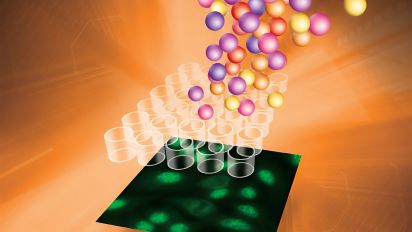
Analyzing genomic, proteomic, and cellular biomarkers provides vital information regarding safety and efficacy during drug discovery and development.

Biomarker monitoring through drug discovery, development, and clinical stages is key to defining disease progression and therapeutic response.

Because stem cells remain undifferentiated, maintain prolonged proliferation, and can differentiate into a variety of cell types, they have the potential to treat a variety of diseases.
Immunotherapy Development

Towards a Personalized Approach to Cancer Treatment
Immunotherapy has led to significant advances in our understanding and treatment of cancer. However, there is more work to be done. Explore the stages of cancer immunotherapy development and discover tools that assist you with your discovery at every stage.

Studying the biological mechanisms that initiate and control cancer cell growth includes researching the tumor microenvironment and the role of checkpoint inhibitors to facilitate the development of personalized therapies.

The COVID-19 pandemic expedited vaccine development using new technologies and therapies that come with a unique set of challenges. Let Bio-Rad help you enhance your development with sensitivity, accuracy, and dependability.

When creating standardized treatments from inherently variable materials like living cells, it is imperative to know what you are working with, regardless of whether you are in discovery, development, or manufacturing.
Additional Techniques Used in Translational Research
Featured Content

Learn about the precise, highly sensitive quantification of nucleic acids through this series covering ddPCR™ technology, applications, and experiment planning.

Even though chromatography has been in use for over a century, protein purification is a challenging and evolving technique due to the structures, properties, and quantities of proteins and their contaminants.

Unlock faster separation, more complete transfer, and deeper analysis of proteins with the Stain-Free Western Blotting Workflow.

Real-time PCR can be used for both qualitative and quantitative analysis and allows you to determine the initial number of copies of template DNA with accuracy and high sensitivity over a wide dynamic range.
Explore
Related Topics
Featured Content

Develop stem cell therapies, viral vaccines, and therapeutic proteins with stringent bioprocessing practices that yield pure and effective therapeutics.
Test for safety in healthy subjects during early phase trials and test efficacy on patients during later phases, all while closely monitoring therapeutic effectiveness and drug side effects.

With direct experience working with the FDA, expertise in audit requirements, and the capability to customize solutions, Bio-Rad supports you throughout drug discovery, development, and manufacturing.