


Protein purification and the separation and identification of proteins and other compounds have been acheived using chromatography for more than a century.
Traditionally, the compounds to be separated are dissolved in a fluid called the mobile phase, which is passed through a solid structure called the stationary phase, which typically consists of a porous bed of particles packed into a column.
As the fluid flows through the column, different compounds in the mobile phase are partitioned into distinct bands based on their different rates of mobility along the column. These mobility rates vary according to differences in the compounds' affinities for the stationary phase, which are related to the physicochemical properties of the solutes, enabling the separation of the different compounds.
Page Contents
Chromatographic separations can be used for either preparative or analytic purposes. When the purpose of this separation is the collection of purified fractions for downstream applications, this is referred to as preparative chromatography. Preparative chromatography is typically one part of a more extensive laboratory workflow designed to separate a mixture of compounds, as in preparative protein purification.
The goals of preparative protein purification are as diverse as isolating enzymes for biochemical characterization or structure determination, process-level protein purification of industrial enzymes, and purification of therapeutic protein molecules for clinical applications.
Alternatively, chromatography can be performed to identify unknown components in a mixture or to quantitate highly purified compounds — this is called analytical chromatography. Like preparative chromatography, analytical chromatography has a wide range of applications, from metabolic profiling to environmental testing.
Chromatography for protein purification can be classified by the type of chromatographic method used (such as ion exchange or affinity) and by the types of compounds being isolated and their characteristics.
Protein purification is a challenging and evolving technique. The range of molecular structures, properties, and quantities of both the valuable components and their contaminants make each separation distinct.
In this section, we highlight several common chromatographic separations as examples of purification and quantification strategies:
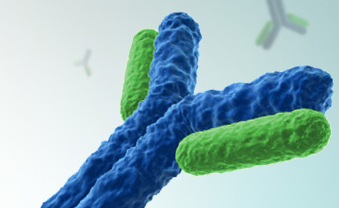 Antibody purification — in recent years, monoclonal antibodies have been extensively developed for research, diagnostics, and therapeutic applications, and chromatography is the purification method of choice. The production of highly pure antibodies is crucial in both research and diagnostics to ensure that no cross-reactivity is present, and the removal of protein contaminants from recombinant antibody therapeutics is critical to prevent immunological reactions and other adverse effects in patients. Protein purification to obtain pure antibodies often requires multiple chromatographic steps.
Histidine-tagged recombinant protein purification and on-column refolding — protein purification by immobilized metal affinity chromatography (IMAC) is a widely used technique for the efficient isolation of polyhistidine-tagged recombinant proteins produced in bacterial expression systems.
Chromatography in food production — chromatography is used in various stages of food production from quality control to the detection of additives, spoilage factors, and environmental toxins.
Disease diagnosis using chromatography — Bio-Rad pioneered the use of chromatography for blood analysis to identify analytes used in diagnostic tests for diabetes and other diseases.
Analysis of wine fermentation using chromatography — chromatography is utilized in wine analysis to monitor fermentation progress, manage wine chemistry, detect flaws, and assess the quality of the final product.
Videos

The NGC System enables the Fraser Lab to maximize protein purification throughput in their studies of protein translation mechanisms.