


On This Page | Solutions for Biomarker Discovery | Types of Biomarkers | Companion Products for Biomarker Discovery | Resources | Contact a Specialist |


We have solutions that address key challenges in biomarker discovery and validation: throughput, reliability, sensitivity, and ease of use. Explore our solutions for analysis of genomic, proteomic, and cellular biomarkers.
Solutions for Biomarker Discovery
Biomarker Discovery
Biomarkers provide vital information regarding safety and efficacy during drug discovery and development. Biomarkers can be classified as diagnostic, prognostic, or predictive and can be used to select patients for clinical trials or monitor patient response and treatment efficacy. In addition, after regulatory approval, biomarkers can be used to identify patient populations that would benefit from a particular therapy, and biomarkers can be used in clinical diagnostics to confirm the efficacy of a treatment and monitor long-term safety.
Biomarkers are used in research to design and develop more effective therapeutics, to assist in guiding decisions about which candidates to develop further, as surrogate markers for the selection of patients, and as endpoints for both benefits and risks. There are a wide range of types of biomarkers that can be monitored, such as predictive, prognostic, pharmacodynamic, safety, and efficacy markers. One class of biomarkers that is actively being researched is safety biomarkers. These markers are being developed to help determine which drug candidates are most likely to be safely tolerated in humans.
From Discovery to Validation
Biomarkers range from specific molecules such as a protein, gene sequence, or expressed RNA to physiological parameters such as blood pressure or body temperature. They may be expressed in a specific location or tissue or found in serum, plasma, and other bodily fluids. Because of this diversity, most successful biomarker programs have a broad reach and investigate cellular, proteomic, and genetic sources in order to find the most valuable biomarkers.
Validation of biomarkers requires that their levels change in response to a disease, condition, or other parameter in a consistent and statistically significant manner. Identification and characterization of biomarkers can reduce the number of candidate drugs that fail clinical trials, aid in the discovery of more effective therapeutics, and provide methods for monitoring animals in preclinical research and evaluating the response of human participants in clinical trials.
Types of Biomarkers

Genomic Biomarkers
Both gene expression and the presence of specific genetic sequences are used as biomarkers for many diseases including cancer. Treatments can even be tailored to an individual patient based on these genomic biomarkers. Typically, large-scale gene expression studies are conducted to identify genes that are up- or down-regulated in a particular indication or disease. These studies rely on the ability of the researchers to design exploratory and confirmatory panels as well as on powerful software tools to analyze resulting data and identify potential biomarkers.
Solutions for Genomic Biomarker Discovery »
Cellular Biomarkers
The ability to uncover novel and rare cell types through multiparameter analysis allows researchers to characterize cell populations in greater detail and identify subpopulations that serve as markers for disease. Simple and reliable isolation of these cells for downstream assays further supports the cellular biomarker workflow by providing pure populations for genomic and proteomic analysis.
Solutions for Cellular Biomarker Discovery »
Proteomic Biomarkers
Interrogating biological samples to identify proteomic profiles gives rise to a plethora of potential biomarkers. Proteins are vital, functional parts of living organisms and as such reflect what is happening in that organism. Monitoring the post-translational state of proteins of interest can yield important biomarkers and indicate tumor progression.
Solutions for Genomic Proteomic Discovery »
Companion Products for Biomarker Discovery

Droplet Digital PCR (ddPCR) Systems, Reagents, and Assays
- Characterize nucleic acids across cellular and animal models of cancer to identify new targets for cancer therapies with high sensitivity and precision
- Absolute quantitation removes the need for a standard curve and improves reproducibility
- Inhibitor-tolerant reagents allow for analysis of more complex sample types

CFX Real-Time PCR Detection System
- Powerful and flexible instruments with 2–5 color multiplexing to deliver sensitive, reliable detection of both single and multiplex real-time PCR reactions
- High-throughput CFX Automation System can screen up to 84 plates in 24 hours
- Use room-temperature stable Reliance One-Step Multiplex RT-qPCR Supermix for long runs

Single-Cell Library Preparation for NGS
- Study single-cell gene expression and gene regulation using ddSEQ Library Preparation Kits for 3’ RNA-seq and ATACseq
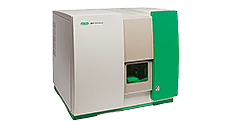
ZE5 Cell Analyzer
- Characterize the cellular universe using multiparameter cell analysis to identify and validate biomarkers
- Monitor up to 30 parameters simultaneously, using up to 5 lasers, and identify cell subtypes faster and with more precision
- Fast data acquisition rate allows rare or transient cell types to be analyzed
- Small-particle detection to analyze biomarkers in exosomes
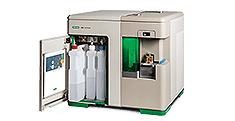
S3e Cell Sorter
- Sort and analyze cells at your bench to support biomarker discovery and validation assays
- Up to 3 lasers provide the flexibility needed to distinguish & sort subtly different cell populations
- Cells are sorted quickly and gently while maintaining sensitivity and precision for downstream assays
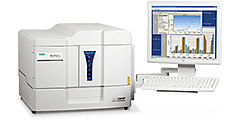
Bio-Plex Multiplex Immunoassay System
- Interrogate and quantify multiple proteins biomarkers in a single assay with a high sensitivity using xMAP technology
- Generate biomarker expression data using off-the-shelf and custom screening assays
- Conserve precious samples and use only ~12.5 µl of sample per multiplex assay
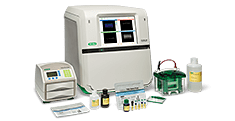
Electrophoresis and Western Blotting Tools
- Western blotting workflow that simplifies protein normalization and quantitation
- Achieve biomarker discovery data in hours vs days for traditional western blotting workflows
- Analyze expression of multiple potential biomarkers with multiplex imaging — chemiluminescence, fluorescence, or colorimetric

Antibodies
- Primary and secondary antibodies for biomarker discovery and validation assays
- Available for flow cytometry, ELISA, IHC, ICC, and western blotting
- Explore biomarkers across Immunology, Cancer, Cell Biology, and more
Resources
Documents

Traumatic Brain Injury — A Controversial and Deadly Epidemic
(PDF 339 KB)
Alzheimer's Disease: A Smoking Gun with No Suspect
(PDF 300 KB)
Droplet Digital™ PCR for Oncology Research
(PDF 660 KB)
Understanding Biomarkers for Better Drug Discovery and Development
(PDF 289 KB)
Biomarker Workflow Solutions Brochure
(PDF 3.26 MB)
Better, Faster, and Less Expensive Gene Expression Analysis Using Multiplex One-Step RT-qPCR: A Case Study of Colorectal Cancer
(PDF 191 KB)
Detection of Genetic Abnormalities in Cancer Cells Using Bio-Plex Immunoassays
(PDF 702 KB)