


A global event series featuring expert-led sessions, real-world workflows, and meaningful scientific exchange.
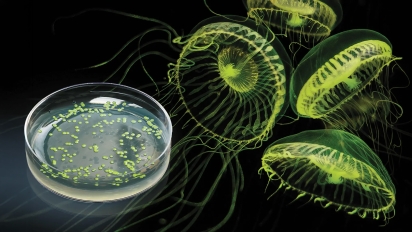
What if your students could engineer living cells to detect an unknown substance? In this free webinar for science educators, explore a classroom lab that turns bacterial gene expression into a forensic investigation.
In this webinar, Pr Agnès Gautheret-Dejean and Dr Vincent Guiraud examine the HIV diagnostic algorithm through a clinical case from routine hospital practice, comparing what the medical biologist and the treating physician each expect of differentiation and confirmatory testing.

Discover the latest breakthroughs in digital PCR at Bio-Rad's flagship APAC ddPCR event. Hear from global experts, learn from real-world applications, and explore how ddPCR technology is advancing research, diagnostics, and biopharmaceutical workflows.

Learn how automation can help laboratories scale PCR and qPCR workflows while maintaining data quality and reproducibility. Explore practical approaches, implementation considerations, and real-world applications.

Join Bio-Rad in Anaheim for live demos, expert-led sessions, and one-on-one conversations with our clinical diagnostics specialists.

On-demand EACR webinar: Learn how ctDNA analysis is helping advance colorectal cancer recurrence risk, measurable residual disease (MRD) detection, and surveillance strategies.


Join Bio-Rad for Our Asia Transfusion Summit

Join this webinar to explore how conserved T-cell responses across betacoronaviruses are informing strategies for broader immune protection.

In this training video, learn how to confidently evaluate high-performance liquid chromatography (HPLC) chromatograms in newborn screening.