


Join Us at ddPCR™ World 2026
Streaming Live from Tokyo, Japan
Connect with scientific leaders, customer speakers, and Bio-Rad experts as they explore how Droplet Digital™ PCR (ddPCR) is shaping the future of research, clinical workflows, biopharma quality control, and applied testing. Streaming live from Tokyo, Japan, this global event offers the latest scientific insights, emerging applications, and opportunities to engage with the worldwide ddPCR community—wherever you are.
Friday
09:00 AM - 05:00 PM (JST)
Why Attend?
- Learn from global ddPCR experts and experienced users
- Explore real-world applications for your research or testing
- Find new ways to innovate, validate, and translate with confidence
Event Highlights
- 15+ Sessions With Two Specialized Tracks
- Live Q&A With Scientific Experts
- Certificate of Attendance

Session Timings

| Australia | 10:00am GMT+10 (AEST) |
| New Zealand | 12:00pm GMT+12 (NZST) |
| Singapore/Malaysia/Philippines | 8:00am GMT+8 (SGT/MYT/PHT) |
| Thailand/Indonesia/Vietnam | 7:00am GMT+7 (ICT/WIB) |
| Korea | 9:00am GMT+9 (KST) |
| India/Sri Lanka | 5:30am GMT+5:30 (IST) |
| Bangladesh | 6:00am GMT+6 (BST) |
| Greater China/Taiwan | 8:00am GMT+8 (CST) |
| Hong Kong | 8:00am GMT+8 (HKT) |
Agenda
Learn how ddPCR technology helps researchers detect cancer signals with greater sensitivity and confidence. The morning sessions explore applications across mutation detection, liquid biopsy, and other emerging approaches shaping the future of precision oncology.
| Time (JST) | Session | Speaker |
|---|---|---|
| 9:20 AM | Genetic Evaluation Supporting the Efficacy and Safety of Gene Therapy for Intractable Diseases | Dr. Toru Uchiyama National Center for Child Health and Development (NCCHD), JAPAN |
| 9:50 AM | Droplet Digital PCR Reveals That the Detection Rate for ESR1 Mutations Is Higher in Circulating-Tumor-Cell-Derived Genomic DNA Than in Paired Plasma Cell-Free DNA Samples | Professor Evi Lianidou University of Athens GREECE |
| 10:20 AM | Break | |
| 10:40 AM | Somatic Mutation Analysis in Precision Oncology: Applications of ddPCR | Associate Professor Bing Yu University of Sydney, AUSTRALIA |
| 11:10 AM | Precision Gene Editing in Human iPS Cells | Dr. Knut Woltjen Kyoto University, JAPAN |
| 11:40 AM | Targeted Haplotyping by Droplet Digital PCR Sequencing for Noninvasive Prenatal Testing of Thalassemia | Dr. Stephanie Yu The Chinese University of Hong Kong, HONG KONG |
Speakers

Dr. Toru Uchiyama
National Center for Child Health and Development
JAPAN
Dr. Toru Uchiyama works on the development and clinical application of gene and cell therapies. His experience includes clinical studies and investigator-initiated trials of hematopoietic stem cell gene therapy for primary immunodeficiency diseases such as chronic granulomatous disease and Wiskott-Aldrich syndrome. He has also been involved in CAR-T cell therapy for refractory leukemia, AAV-based in vivo gene therapy for neurological disorders, and genome editing-based gene therapy for primary immunodeficiency diseases.
Session: Genetic Evaluation Supporting the Efficacy and Safety of Gene Therapy for Intractable Diseases.
In this session, Dr. Uchiyama will discuss how genetic evaluation supports the efficacy and safety of gene therapy for inherited intractable diseases. The presentation will cover key approaches in gene therapy, including in vivo viral vector delivery, ex vivo gene modification of hematopoietic stem cell or blood cells, and emerging genome-editing strategies designed to correct disease-causing mutations.
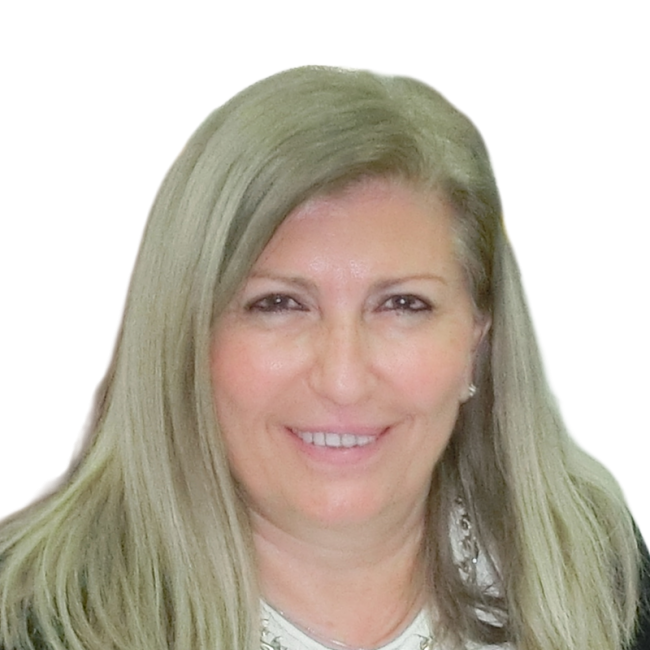
Professor Evi Lianidou
University of Athens
GREECE
Professor Evi Lianidou is a Professor of Analytical Chemistry and Clinical Chemistry at the University of Athens, Greece. Since 1998, her laboratory has specialized in liquid biopsy analysis, with a focus on circulating tumor cells and circulating tumor DNA. Her research centers on biomarker discovery and clinical validation using advanced molecular methods, including RT-qPCR, RT-ddPCR, DNA methylation, and miRNA analysis. She has authored more than 200 publications, holds three patents, and is internationally recognized for her contributions to liquid biopsy, including receiving the International Society of Liquid Biopsy “Women in Science Award 2020.”
Session:Droplet Digital PCR Reveals That the Detection Rate for ESR1Mutations Is Higher in Circulating-Tumor-Cell-Derived Genomic DNA Than in Paired Plasma Cell-Free DNA Samples.
In this session, Professor Evi Lianidou will discuss the role of liquid biopsy in monitoring treatment outcomes and guiding personalized therapy in metastatic breast cancer. The presentation will focus on the use of highly sensitive droplet digital PCR assays to detect ESR1mutations in both plasma cell-free DNA and circulating-tumor-cell-derived genomic DNA.
Using paired samples from patients with metastatic breast cancer, Professor Lianidou’s study found that ESR1 mutation detection rates were significantly higher in CTC-derived genomic DNA than in plasma cell-free DNA. The session will highlight how CTC-derived genomic DNA analysis may provide complementary information to ctDNA testing and could support more accurate identification of patients with ESR1 mutations for individualized treatment decisions.

Associate Professor Bing Yu
University of Sydney
AUSTRALIA
Associate Professor Bing Yu is a molecular geneticist and clinical scientist at NSW Health Pathology and Royal Prince Alfred Hospital in Sydney, Australia. His work bridges translational research, genomic diagnostics, and precision medicine, with a focus on somatic cancer testing in solid tumours such as lung, breast, melanoma, and colorectal cancers. His research supports more precise treatment selection, drug resistance identification, minimal residual disease monitoring, and recurrence detection through the clinical use of genomic biomarkers.
Session: Somatic Mutation Analysis in Precision Oncology: Applications of ddPCR.
In this session, Associate Professor Yu will discuss how Droplet Digital PCR is being applied in precision oncology for sensitive and rapid somatic mutation analysis. The presentation will highlight the clinical utility of ddPCR in solid tumours, including variant confirmation, resistance mutation screening, and therapeutic response monitoring.

Dr. Knut Woltjen
Kyoto University
JAPAN
Dr. Knut Woltjen is based at Kyoto University’s Center for iPS Cell Research and Application. He holds a PhD in Molecular Genetics and specializes in stem cell gene editing. During his postdoctoral work, he used the piggyBac transposon to create the first footprint-free human and mouse iPS cells. His laboratory continues to advance piggyBac-based differentiation and precision editing, while also developing genome and epigenome editing methods to support cell therapy research and the study of human health, disease, and evolution.
Session: Precision Gene Editing in Human iPS Cells.
In this session, Associate Professor Woltjen will discuss precision gene editing in human induced pluripotent stem cells, which provide powerful in vitro models for studying disease mechanisms and therapeutic discovery. The presentation will explore how individual genetic backgrounds can improve disease modeling, while also creating challenges for gene editing design, validation, and interpretation.

Dr. Stephanie Yu
The Chinese University of Hong Kong
HONG KONG
Dr. Stephanie Yu is a clinical lecturer in the Department of Chemical Pathology at The Chinese University of Hong Kong. Her research focuses on liquid biopsy, particularly the biology and clinical applications of cell-free DNA. She has contributed to the development of size-based approaches for noninvasive prenatal testing, as well as diagnostic tools for single-gene disorders and preeclampsia. Her work has been published in leading journals, and she holds numerous patents in cfDNA technologies that have been successfully translated into licensed applications.
Session: Targeted Haplotyping by Droplet Digital PCR Sequencing for Noninvasive Prenatal Testing of Thalassemia
Targeted haplotyping of genetic variants is a cost-effective strategy with important applications in genetic diagnosis, noninvasive prenatal testing (NIPT), and pharmacogenomics. However, the lack of robust, scalable, and affordable haplotyping methods remains a major barrier to the broader clinical implementation of haplotype-based analyses, including relative haplotype dosage (RHDO)-based NIPT and pharmacogenetic testing.
To address this challenge, we developed digital PCR haplotype sequencing (dHapSeq), a novel approach that links multiple genetic variants using high-throughput droplet digital fusion PCR and resolves haplotypes by sequencing the fused products using short-read sequencing. In an initial proof-of-concept study, dHapSeq successfully resolved haplotypes in four families at risk of α-thalassemia and enabled NUDT15 diplotyping.
The approach has subsequently been validated in a large cohort of families at risk of α- and β-thalassemia carrying diverse disease-causing variants. These results demonstrate the feasibility and clinical utility of dHapSeq as a scalable targeted haplotyping platform that could facilitate broader adoption of haplotype-based testing in prenatal medicine, precision pharmacotherapy, and other areas of genomic medicine.
Agenda
Explore how ddPCR technology is pushing cancer research and molecular testing forward, enabling more sensitive detection, deeper biological insights, and new possibilities for precision oncology.
| Time (JST) | Session | Speaker |
|---|---|---|
| 1:30 PM | Clinical Utility of ddPCR for Detecting POLE Mutations in Endometrial Cancer | Professor Jinhwa Hong Korea University Guro Hospital SOUTH KOREA |
| 2:00 PM | Droplet-Level Precision: Redefining Sensitivity in Oncology | Dr. Salil Vaniawala SN Genelab Pvt Ltd INDIA |
| 2:30 PM | Droplet Digital PCR for NPM1 Measurable Residual Disease Monitoring in AML | Dr. Goh Liuh Ling Tan Tock Seng Hospital SINGAPORE |
| 3:00 PM | Break | |
| 3:30 PM | Digital PCR Meets MSRE: Detecting DNA Methylation in Cell-free DNA From Breast Cancer Patients | Dr. Sze Keong Tey The University of Hong Kong HONG KONG |
| 4:00 PM | Decoding Telomere Dynamics in Cellular Senescence: A Droplet Digital PCR Approach from Telomerase Activity to TERT Isoform Landscape | Professor Wanil Kim Gyeongsang National University SOUTH KOREA |
| 4:30 PM | Extracellular Vesicle DNA as a Next-Generation Liquid Biopsy: Clinical Applications Through Droplet Digital PCR | Dr. Akira Yokoi Nagoya University Hospital JAPAN |
Speakers

Professor Jinhwa Hong
Korea University Guro Hospital
SOUTH KOREA
Professor Jinhwa Hong, MD, PhD, is a professor of Gynecologic Oncology and Director of the Women's Cancer Center at Korea University Guro Hospital, South Korea. He received his MD and PhD from Korea University and completed advanced clinical and research training at MD Anderson Cancer Center and the University of California, Irvine. His work focuses on gynecologic cancers, precision oncology, molecular diagnostics, and translational cancer research. He is an active member of several international gynecologic oncology societies and is recognized as a leading expert in the research and management of gynecologic malignancies.
Session: Clinical Utility of ddPCR for Detecting POLE Mutations in Endometrial Cancer.
This presentation will explore the clinical utility of Droplet Digital PCR (ddPCR) for detecting POLE mutations in endometrial cancer. Dr. Hong will discuss the advantages of ddPCR for highly sensitive mutation detection and its potential role in molecular classification, prognosis, and precision treatment strategies for patients with endometrial cancer.

Dr. Salil Vaniawala
SN Genelab Pvt Ltd
INDIA
Dr. Salil Vaniawala is a molecular oncology and genomic diagnostics expert in India with more than 23 years of experience in clinical and research genetics. He is the founder and owner of SN Genelab, Gujarat’s first NABL-accredited and ISO 15189-certified genetic laboratory, and one of India’s advanced genomic institutions. His work spans cancer genomics, liquid biopsy, tumor mutational profiling, and precision oncology. He has authored over 100 peer-reviewed publications, contributed to Indian population-specific genomic datasets, and helped expand access to precision medicine through more than one million genetic tests processed under SN Genelab’s leadership.
Session: Droplet-Level Precision: Redefining Sensitivity in Oncology.
In this session, Dr. Salil Vaniawala will discuss how droplet digital PCR is redefining sensitivity in oncology through precise and rapid detection of cancer biomarkers. The presentation will highlight how ddPCR technology enables absolute quantification of low variant allele frequency mutations across liquid biopsy, minimal residual disease monitoring, and precision oncology applications.

Dr. Goh Liuh Ling
Tan Tock Seng Hospital
SINGAPORE
Dr. Goh Liuh Ling is the Laboratory Director and Senior Principal Scientific Officer at the Molecular Diagnostic Laboratory, Centre for Precision and Genomic Medicine, Tan Tock Seng Hospital. She leads clinical molecular diagnostics, research, and biobanking, and plays an active role in advancing precision medicine in Singapore through national initiatives such as PRECISE. Her work focuses on genomic testing strategies, liquid biopsy applications, and multi-omics approaches for cancer, supported by expertise in next-generation sequencing and translational research.
Session: Droplet Digital PCR for NPM1 Measurable Residual Disease Monitoring in AML.
Measurable residual disease (MRD) assessment is integral to risk stratification and treatment monitoring in acute myeloid leukemia (AML), with NPM1 mutations serving as a robust molecular marker for disease surveillance. This presentation evaluates the utility of Droplet Digital PCR (ddPCR) as a highly sensitive and precise platform for NPM1 MRD tracking. The local prevalence and molecular epidemiology of NPM1 mutation subtypes within a Singapore cohort will be outlined.
Next, analytical validation data of ddPCR assays specifically engineered for the common NPM1 variants (Types A, B, and D) will be presented. Ongoing developmental strategies to extend MRD monitoring capabilities to patients harboring rare NPM1 variants will also be highlighted. This seminar illustrates how synthesizing local epidemiological data, robust assay validation, and clinical implementation can establish a comprehensive, future-ready ddPCR MRD program to optimize AML patient management.

Dr. Sze Keong Tey
The University of Hong Kong
HONG KONG
Dr. Sze Keong Tey is currently a Research Assistant Professor in the Department of Surgery at The University of Hong Kong. His research focuses on breast cancer, with particular interests in multi-omics profiling, artificial intelligence–based modelling, novel therapeutic target discovery, and biomarker identification.
Session: Digital PCR Meets MSRE: Detecting DNA Methylation in Cell-free DNA from Breast Cancer Patients
In this presentation, Dr. Tey will discuss the integration of methylation-sensitive restriction enzyme (MSRE) digestion into a droplet digital PCR workflow for the detection of tumor-derived methylation signals in cell-free DNA from breast cancer patients. He will share key insights into assay design, analytical validation, pilot study findings, and future development strategies aimed at improving the accuracy and clinical applicability of early breast cancer screening.

Professor Wanil Kim
Gyeongsang National University
SOUTH KOREA
Professor Wanil Kim is an Associate Professor at the College of Medicine, Gyeongsang National University, South Korea. His research focuses on aging biology, telomere dynamics, cellular senescence, and molecular mechanisms of age-related diseases. He received his PhD in Molecular Life Sciences from POSTECH and completed postdoctoral training at the University of Texas Southwestern Medical Center. His current work uses ddPCR for quantitative molecular analysis, including telomerase activity, TERT isoform profiling, and biomarker discovery in aging and neurodegenerative diseases.
Session: Decoding Telomere Dynamics in Cellular Senescence: A Droplet Digital PCR Approach from Telomerase Activity to TERT Isoform Landscape
This presentation will highlight the application of droplet digital PCR (ddPCR) to investigate telomere biology in cellular senescence. Dr. Kim will present how ddPCR enables precise analysis of telomerase activity and TERT isoform expression, providing valuable insights into cellular aging and the development of age-related diseases.

Dr. Akira Yokoi
Nagoya University
JAPAN
Dr. Akira Yokoi is a gynecologic oncologist and translational scientist specializing in ovarian cancer biomarker discovery. His research focuses on extracellular vesicles for early cancer detection and the development of advanced EV-based diagnostic models. He has published influential studies in high-impact journals and continues to advance novel nanotechnologies for extracellular vesicle analysis. At Nagoya University, he leads translational research that combines clinical samples with advanced molecular and bioinformatics approaches.
Session: Extracellular Vesicle DNA as a Next-Generation Liquid Biopsy: Clinical Applications Through Droplet Digital PCR
In this session, Dr. Yokoi will discuss the role of extracellular vesicles, including exosomes, as promising sources for liquid biopsy. Because EVs circulate in body fluids and protect their molecular cargo from degradation, EV-derived DNA has gained increasing attention for its ability to reflect the genomic landscape of originating cells.
Agenda
See the breadth of ddPCR technology in action, from advancing gene therapy and biopharma quality control to supporting clinical and real-world testing. Learn how its sensitivity and precision are being applied across diverse workflows, from healthcare and prenatal testing to food safety and beyond.
| Time (JST) | Session | Speaker |
|---|---|---|
| 1:30 PM | Establishing ddPCR-based Minimal Molecular Quality Control Criteria for Therapeutic Extracellular Vesicles | Dr. Saranyoo Ponnikorn Thammasat University THAILAND |
| 2:00 PM | Application of ddPCR based RCL testing for FKC289-a product of Fosunova-T platform | Dr. Yong Yang Shanghai Fosun Kairos Biotechnology Co., Ltd., CHINA |
| 2:30 PM | Precision Without Compromise: the Role of Droplet Digital PCR in De-Risking Biotherapeutic Development | Dr. Chelsea Pratt Bio-Rad Laboratories, UNITED STATES |
| 3:00 PM | Break | |
| 3:30 PM | SinChro; Novel Method to Count Chromosomal Numbers at Single Cell Level, Applied in Aging Research | Dr. Tomohiro Kubo TL Genomics Inc. JAPAN |
| 4:00 PM | Testing and manufacturing industry standards using ddPCR | Dr. Somanath Bhat National Measurement Institute of Australia, AUSTRALIA |
Speakers

Dr. Saranyoo Ponnikorn
Thammasat University
THAILAND
Dr. Saranyoo Ponnikorn is Director of the Center for Scientific Equipment for Advanced Research at Thammasat University and holds a PhD in Biochemistry from Mahidol University. He brings more than a decade of experience across genetics, molecular and cell biology, biochemistry, and stem cell biology. He also contributes to national precision medicine committees under Thailand’s Ministry of Public Health and is a co-founder of biotechnology ventures focused on extracellular vesicles, regenerative aesthetics, and functional health products. His research spans precision medicine, omics technologies, extracellular vesicle therapeutics, and translational regenerative medicine, with a focus on innovative approaches for disease management, skin therapeutics, and longevity applications.
Session: Establishing ddPCR-based Minimal Molecular Quality Control Criteria for Therapeutic Extracellular Vesicles
Extracellular vesicles (EVs), including exosomes, are emerging as promising therapeutic agents due to their natural role in cell-to-cell communication and ability to deliver functional biomolecules. Ensuring consistent quality during EV production is critical, requiring sensitive and reliable molecular quality control (QC) methods.
Droplet digital PCR (ddPCR) enables precise and absolute quantification of nucleic acid cargo, making it a powerful tool for establishing minimal molecular QC criteria and ensuring batch-to-batch consistency. Please join us in this session to learn more about the QC process and how ddPCR can support robust quality control for therapeutic extracellular vesicles.

Dr. Yong Yang
Fosun Kairos (Shanghai) Biotechnology., Ltd
CHINA
Dr. Yong Yang is the director of analytical method development at Fosun Kairos. After he was rewarded bachelor degree of medicine and Ph.D. of biochemistry and molecular biology at Fudan University, he finished his postdoc training at University of Pittsburgh. He brings not only extensive research experience but also the drug development expertise in cell and gene therapy biotech.
Session: Application of ddPCR based RCL testing for FKC289-a product of Fosunova-T platform.
CAR-T therapies require rapid, reliable manufacturing and rigorous quality control to ensure product safety and efficacy. The Fosunova-T platform enables closed, automated production of FKC289, a BCMA/CD19 dual-target CAR-T product, within 2–3 days. To support rapid product release, a ddPCR-based linkage assay was developed for sensitive and specific detection of replication-competent lentivirus (RCL), minimizing false-positive results caused by residual plasmid DNA. Please join us to learn how ddPCR can enable robust RCL testing and accelerate quality control for next-generation CAR-T manufacturing.

Dr. Chelsea Pratt
Bio-Rad Laboratories
UNITED STATES
Dr. Pratt is the Biopharma Segment Marketing Manager at Bio-Rad Laboratories. In this role, she works with leaders in the biotech and pharmaceutical industries to understand how Bio-Rad can accelerate drug discovery and development in new therapeutic areas. She is a recognized expert in chromatography and protein purification, and serves as a regular panelist at conferences, seminars, and webinars. Dr. Pratt holds a PhD in Biological Chemistry from the University of Texas Southwestern Medical Center.
Session: Precision Without Compromise: the Role of Droplet Digital PCR in De-Risking Biotherapeutic Development
Advanced biomanufacturing requires molecular data that is fast, absolute, and reproducible, yet conventional methods such as qPCR and protein assays can introduce variability or delay critical decisions. This session will explore how Droplet Digital PCR (ddPCR) helps address these challenges across key biomanufacturing workflows, including cell line development for bispecific antibodies and AAV vector characterization.
Drawing on a peer-reviewed case study with Boehringer Ingelheim, the session will highlight how ddPCR enables absolute quantification of transgene copy number and expression, supporting earlier and more efficient clone screening. It will also cover how multiplexed ddPCR, linkage analysis, and the VeriCheck ddPCR Empty-Full Capsid Kit can support viral vector characterization. Together, these examples demonstrate how ddPCR provides the precision, sensitivity, and reproducibility needed to accelerate decision-making and de-risk biotherapeutic development programs.

Dr. Tomohiro Kubo
TL Genomics Inc.
JAPAN
Dr. Tomohiro Kubo has served as CEO of TL Genomics Inc. since 2015, overseeing technology development and business growth. He received his B.S. and Ph.D. in Biology from Kyoto University, followed by postdoctoral research at Columbia University in New York. Before joining TL Genomics, he spent five years in business development, licensing, technology transfer, and marketing at a Japanese biotech company, bringing together scientific expertise and commercial experience in biotechnology.
Session: SinChro: A Novel Method to Count Chromosomal Numbers at Single Cell Level, Applied in Aging Research
In this session, Dr. Tomohiro Kubo will introduce SinChro, a novel technology that applies droplet digital PCR to measure chromosome copy number at the single-cell level. The method uses fluorescent labeling within droplets to quantify the number of copies of a specific chromosome in individual cells.

Dr. Somanath Bhat
National Measurement Institute
AUSTRALIA
Dr. Somanath Bhat is a Senior Research Scientist and Chair of the Institutional Biosafety Committee at the National Measurement Institute (NMI), Sydney, Australia, specialising in digital PCR, molecular diagnostics, and measurement science. With more than 20 years of experience, his work focuses on developing SI-traceable digital PCR measurements, certified nucleic acid (DNA/RNA) reference materials, and quality assurance programs to improve the accuracy and comparability of genetic testing. Through collaborations with national and international partners, the group develops reference materials that support the global harmonisation of genetic measurements and facilitate the broader adoption of ddPCR in diagnostics and biotechnology.
Session: Testing and manufacturing industry standards using ddPCR
Digital droplet PCR (ddPCR) has become a critical technology for the development, characterisation, and quality assurance of DNA measurements. Its ability to provide precise, sensitive, and calibration-independent quantification makes it particularly valuable for supporting manufacturing processes, product validation, and measurement traceability across the biotechnology, diagnostics, and life sciences sectors.
This presentation will highlight the role of ddPCR in the development and certification of reference materials that are traceable to the International System of Units (SI). It will showcase the work undertaken by the National Measurement Institute (NMI) in producing highly characterised DNA and RNA reference materials that support reliable and comparable molecular measurements. The presentation will demonstrate how ddPCR, together with isotope dilution mass spectrometry (IDMS), underpins robust manufacturing processes, measurement traceability, and confidence in molecular testing results. It will also emphasise the importance of global standardisation of genetic measurements to ensure consistency, comparability, and regulatory alignment across laboratories and countries.
Register Now!
Join researchers from around the world to explore the latest advances in Droplet Digital PCR solutions. Complete the form below to register for ddPCR World 2026 and receive your event access details.
FAQs