


Why Bio-Rad HPLC Systems Are Trusted for Accurate HbA1c Diabetes Testing and Diagnosis?
Featured Content
Bio-Rad’s HPLC instruments do more than measure HbA1c—they provide comprehensive, interference-resistant diagnostics that enhance patient outcomes, improve test confidence, and support early intervention in diabetes and hemoglobin disorders.

D-100: SMART HbA1c Testing Without Interference
The Bio-Rad D-100 System delivers fast, single touch HPLC-based HbA1c testing with no interference from common variants7. Ideal for medium to high volume labs, it offers streamlined workflow for reliable diabetes and hemoglobin disorder testing.

D-10: Compact HPLC System for Accurate HbA1c Testing
The D-10 System is a compact, automated HPLC analyzer for accurate HbA1c and hemoglobin variant testing, ideal for reliable diabetes and hemoglobinopathy management8,9. With automated features and a multilingual user interface, the D-10 is easy to integrate into your lab workflow and train staff.

VARIANT II TURBO: Fast HbA1c Testing System
The VARIANT II TURBO Hemoglobin Testing System from Bio-Rad is a high-throughput, fully automated HPLC analyzer optimized for accurate HbA1c and hemoglobinopathy testing in medium- to high-volume labs8.

VARIANT II Hemoglobin Testing Solution
This reference HPLC system is used in many laboratories for the analysis of normal hemoglobins and as an aid in the identification of abnormal hemoglobins. It offers fully automated, high-volume hemoglobin A1c and β-thalassemia testing.

The VARIANT II TURBO Link Hemoglobin Testing Solution
Need a fully automated HbA1c solution? The VARIANT II TURBO Link Hemoglobin Testing Solution delivers on-demand hematology and HbA1c testing with flexible random-access capability.
*Available in the US and Canada only.
Case Studies on HbA1c Interpretation
Bio-Rad's HPLC instruments do more than measure HbA1c—they provide comprehensive, interference-resistant diagnostics that enhance patient outcomes, improve test confidence, and support early intervention in diabetes and hemoglobin disorders.
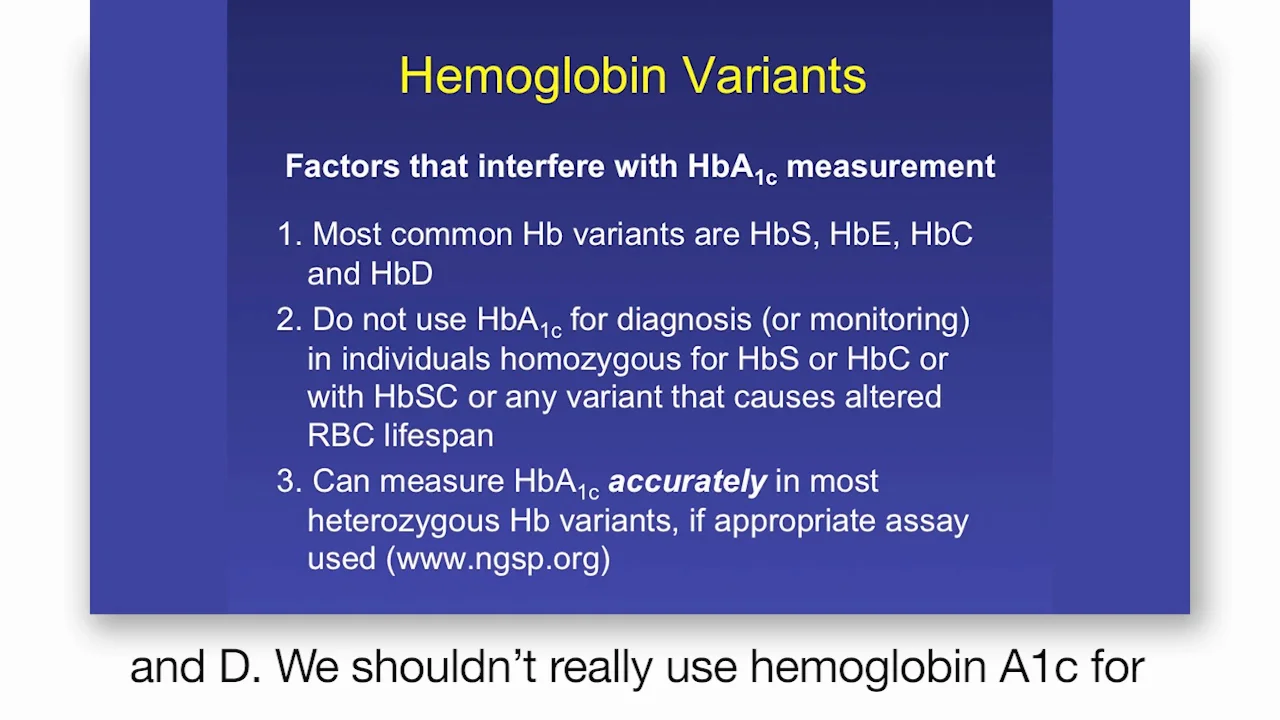
The Strengths and Weaknesses of HbA1c in Diagnosing Diabetes
Dave Koch demonstrates how hemoglobin variants and other issues might impact the HbA1c result by sharing patient case studies and data from published papers.
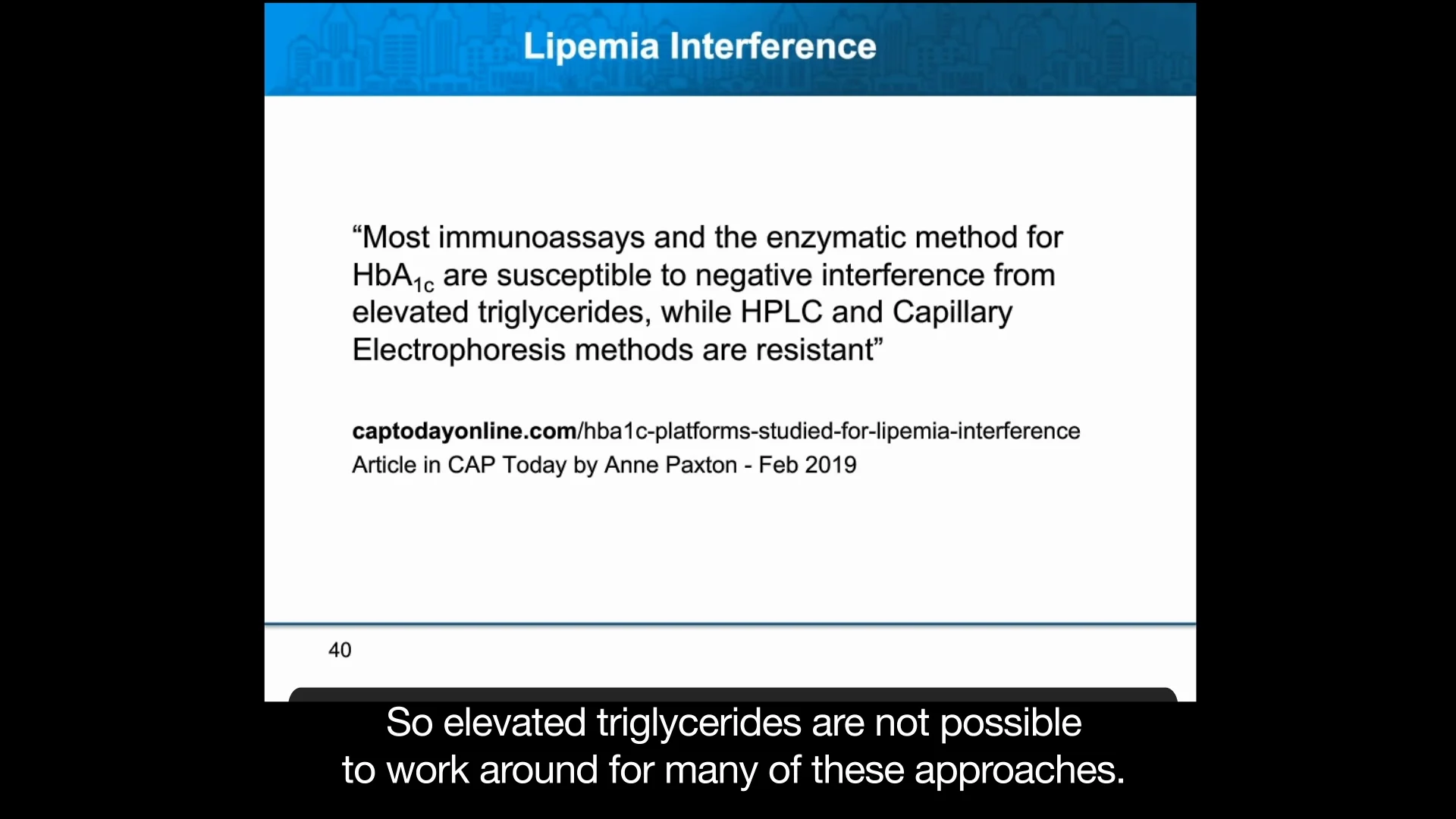
HbA1c as a Diagnostic Test and its Role in my Endocrinology Practice
David G. Robertson, M.D. shares his insights on managing patients living with diabetes using the HbA1c diagnostic test to help guide healthcare providers.
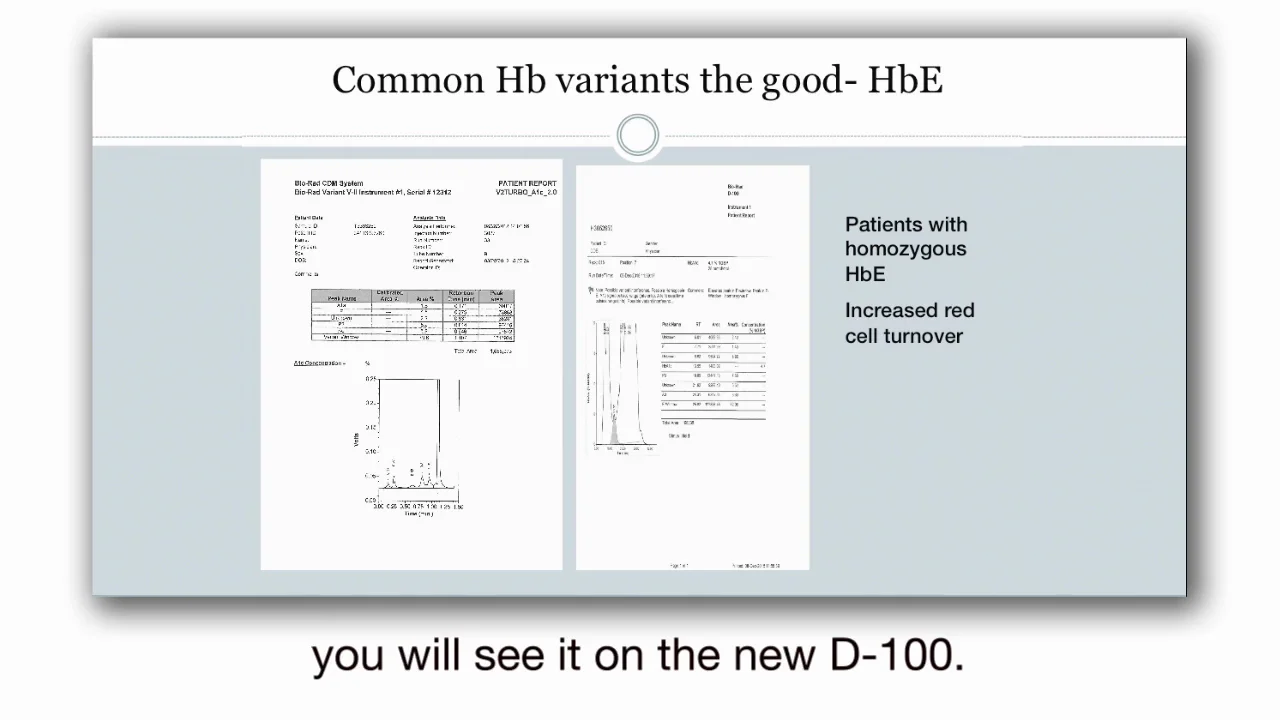
The Good, the Bad, and the Ugly in HbA1c Interpretation
Trefor Higgins discusses the challenges of HbA1c interpretation when hemoglobin variants are present. He uses real world patient case studies to illustrate those challenges to help clinicians diagnose and treat patients living with diabetes.
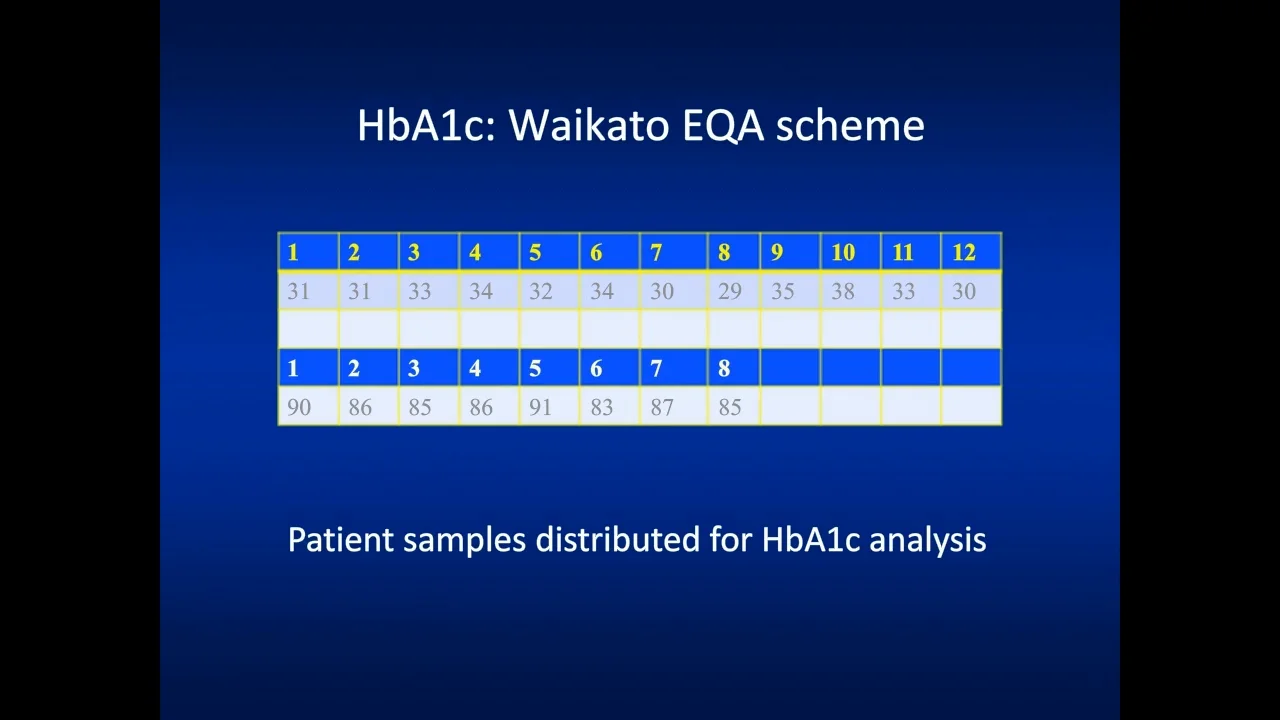
Confounding Factors for HbA1c Interpretation
Chris Florkowski presents patient case studies to illustrate the challenges in reporting accurate HbA1c results in the presence of hemoglobin variants, as well as findings from published papers that clinicians should understand when treating patients with undiagnosed diabetes.

Expert Insights on HPLC HbA1c Testing
Written by William Winters, M.D., this brochure highlights the value of NGSP-certified, IFCC-traceable HbA1c testing and the reliability of Bio-Rad's HPLC systems. Backed by ADA guidelines and key studies, it supports informed decisions and early diabetes detection.
Complete HbA1c Solution
Featured Content


Educational Resources
Bio-Rad believes in sharing knowledge. We’ve created dedicated resources to help you strengthen your hemoglobinopathy expertise.

Library of Variants
In this digital database, find case reports to support the interpretation of hemoglobin variant chromatograms for sickle cell disease, thalassemia, and other hemoglobinopathies. Access this invaluable resource tool for your next case.

Test Your Knowledge
In this series of educational case studies, learn how to evaluate hemoglobinopathies and sickle cell cases and expand your knowledge of HPLC chromatograms.
References
- Weykamp, C. (2013). HbA1c: A Review of Analytical and Clinical Aspects. Annals of Laboratory Medicine.
- Gore, M., McGuire, D., et al. (2016). A Test in Context. Journal of the American College of Cardiology, 68(22), 2479–2486.
- Little, R. R., et al. (2015). Effects of 49 Different Rare Hb Variants on HbA1c Measurement in Eight Methods. Journal of Diabetes Science and Technology, I–8.
- U.K. Prospective Diabetes Study (UKPDS) Group (1998). Intensive blood-glucose control with sulphonylureas or insulin compared with conventional treatment and risk of complications in patients with type 2 diabetes (UKPDS 33). Lancet, 352, 837–853.
- NGSP. (March 2021). List of NGSP Certified Laboratories. https://ngsp.org/certified.asp
- DCCT Research Group (1996). The absence of a glycemic threshold for the development of long-term complications: the perspective of the Diabetes Control and Complications Trial. Diabetes, 45(10), 1289–1298.
- Nathan, D. M., et al. (1993). The Effect of Intensive Treatment of Diabetes on the Development and Progression of Long-Term Complications in Insulin-Dependent Diabetes Mellitus. The New England Journal of Medicine, 329(14), 977–986.
- American Diabetes Association (2020). Pharmacologic Approaches to Glycemic Treatment: Standards of Medical Care in Diabetes—2020. Diabetes Care, 43(Supplement 1), S98–S110.
Disclaimer
The content on this website is for educational and informational purposes only and should not be considered medical advice or a recommendation for diagnosis or treatment. Always consult a qualified specialist when needed. Bio-Rad and contributors make no warranties regarding the accuracy or completeness of the information and disclaim all liability for its use. Users should review relevant updates and regulatory guidance.
These pages list our product offerings in these areas. Some products have limited regional availability. If you have a specific question about products available in your area, please contact your local sales office or representative.