


Choosing a Quality Control Product
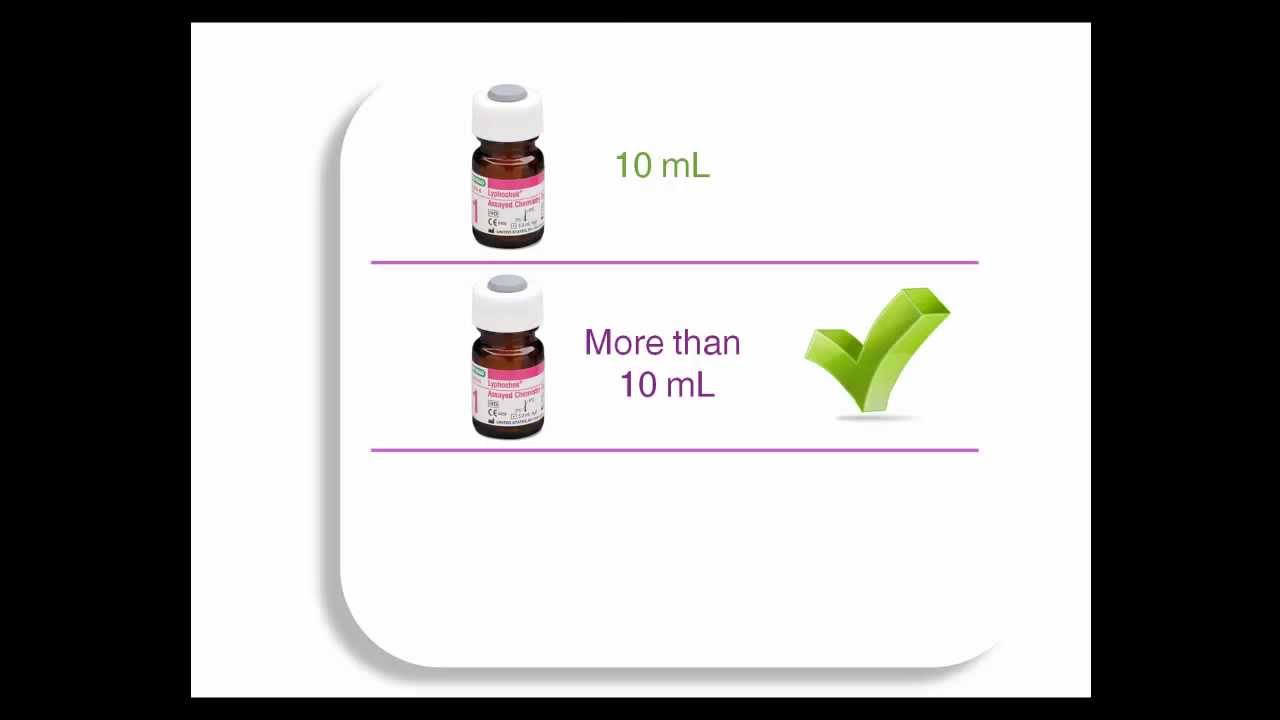
Choosing the right QC product requires careful consideration. This video covers what laboratory managers should consider when choosing the highest quality control product, including length shelf life, right material for the test system, and other factors. conditions. If your QC plan includes less than optimal QC frequency, ranges, and rules, you may be headed toward unreliable results without warnings.
Featured Content
Process and Design Learning

Optimizing QC Procedures
Quality control management is an essential task in the clinical laboratory. While many labs have well-established QC processes in place, they need to be reviewed periodically.

Establishing Best Practices in Quality Control Management
While juggling compliance requirements and navigating budget concerns have always been pain points for lab managers, new challenges must be addressed.

5 Tips for Evaluating Your Current QC Vendor
To help maintain the highest standards of quality control, labs must periodically evaluate whether their current vendors are meeting their needs.

Best Practices for Lot Changes in Quality Control or Reagents
To ensure your laboratory produces consistent patient results, watch this webinar on the most recent developments and best practices to perform quality control and reagent cross-over studies.

Maintaining Consistency in QC Results Across a Lab Network
As medical knowledge has rapidly expanded, it has become increasingly important for laboratories to implement efficient QC systems that meticulously monitor assay precision.

Building an Effective Laboratory QC System
When building a laboratory QC system, it is essential for clinical laboratories to define analytical quality and develop processes specific to their performance goals.
Featured Content
QC Design and Strategy
We offer three levels of training around QC design and strategy. Whether you’re looking for the basics or a lesson in how to participate in our Unity Interlaboratory Program, these resources can help optimize your knowledge to build a better lab.
Articles
- QC today
- QC Workbook - Basic Statistics in Laboratory Quality Control
- QC Workbook – Quality Control Process Optimization with Cost of Quality Application
- Repeating control and patient samples
- A closer look at control materials
- Optimizing QC data management with Bio-Rad’s Unity Real Time software
- Focus of laboratory quality control
- QC Workbook – Laboratory Quality Control Materials
- Newer technologies in QC
Videos


Featured Content
Risk Management
We offer three levels of resources around QC risk management. Whether you need to assess instrument reliability or learn more about managing risk, we’ll help your mitigate risk and maintain reliability when it comes to patient test results.
Featured Content
QC Statistics
We offer three levels of resources around QC statistics. You’ll find materials on analytical assessment in the clinical lab, impact of testing on patient results, and a guide on implementing Six Sigma processes in your lab, among others.
Featured Content
QC Regulation and Accreditation
We offer two levels of resources around lab accreditation and regulation, Beginner and advanced. You’ll find useful a beginner’s guide to ISO 15189 along with a guide to gaining accreditation and a resource on how to manage imprecision.
-
Image

Seeking lab accreditation under ISO 15189
(PDF 1.1 MB) -
Image
ISO 15189
(PDF 173 KB)


Featured Content
QC Videos
View all
Introduction to quality control design

Basic lessons in laboratory quality control
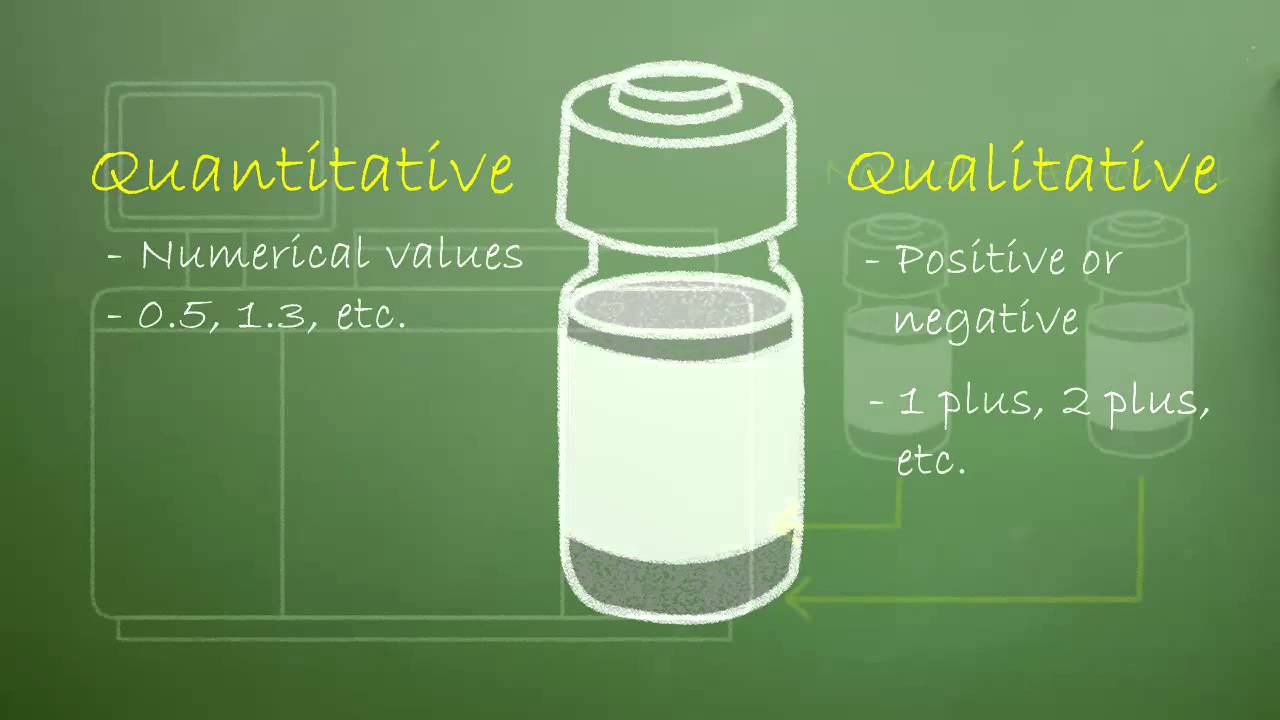
Bio-Rad Blackboard
Expert’s corner
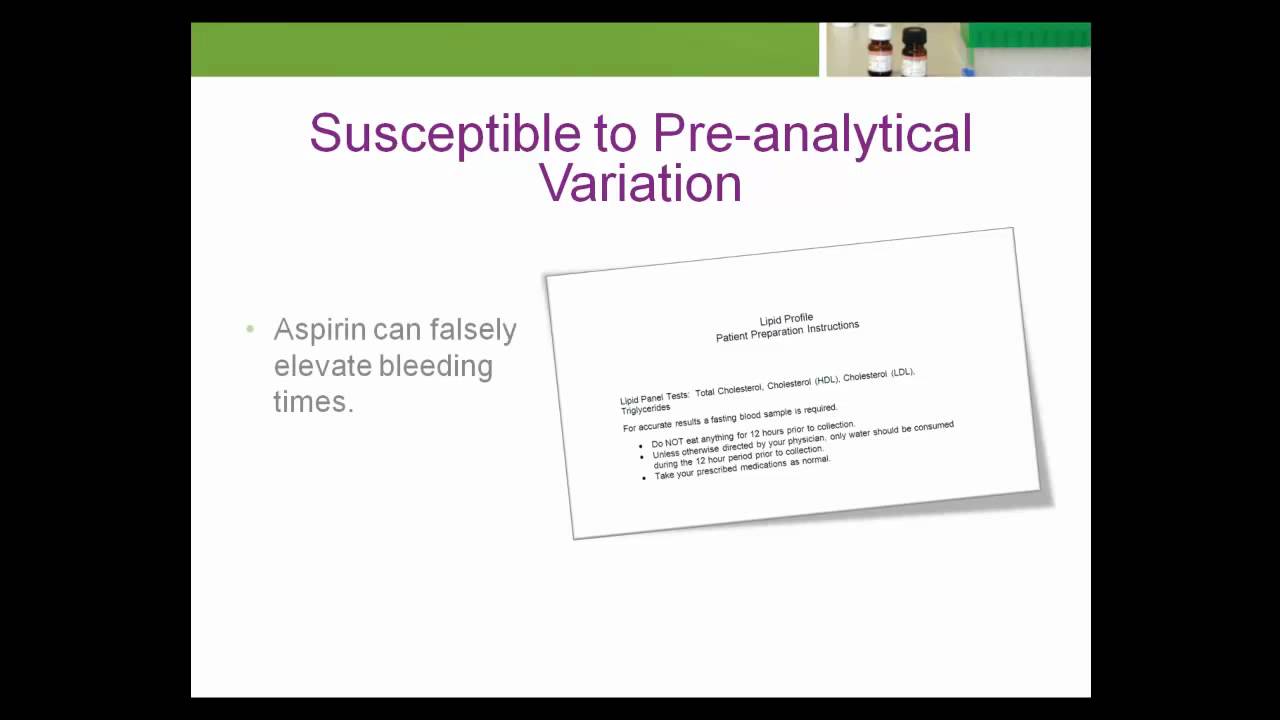
Biological variation
Optimizing the clinical diagnostic process with QC
Featured Content
QC Webinars
View All
Cost of quality and the medical laboratory in 2020

The benefits of using an independent quality control

Best Practices in Quality Control

Best practices for reagent lot changes

Practical tips to manage laboratory QC data

Ask the experts

Unity solutions for molecular QC data management

Establishing QC Targets and Ranges for Multiple Instruments

Serum Indices: Defining analyte thresholds and ensuring quality results

SARS-CoV-2 QC for molecular and serology assays
Featured Content
QC Education
Bio-Rad Blackboard QC Tutorials
Bio-Rad Blackboard videos are a series of short tutorials brought to you by industry experts. Topics include third-party controls, calculating a mean, calculating a standard deviation, establishing QC targets and ranges, total error, and others.
Bio-Rad Variation Tutorials
This series of videos demonstrates how using biological variation (BV) allows the laboratory to define and limit the allowable imprecision and bias based on biology rather than a purely statistical model. BV is a powerful adjunct process control scheme.

Severity of Harm Category Designation Survey Results
Knowing an assay's Severity of Harm category is a key component in performing a Risk Assessment to determine acceptable QC practices. For the first time, labs have a starting point for determining the appropriate category. This poster shares responses of 261 surveyed laboratory professionals from 40 countries. Participate in the survey by scanning the QR code in the poster.


